
Life After GLP-1 Medications: Maintaining Healthy Habits and Supporting Weight Maintenance
For many women, GLP-1 medications have changed the conversation around weight management. Medications such as semaglutide and tirzepatide may help eligible patients manage appetite, improve blood sugar, and achieve significant weight loss when prescribed as part of appropriate medical care.
But eventually, some people face another question:
What does life after GLP-1 medications look like?
Maybe you've reached your goal and are discussing your long-term treatment plan with your healthcare provider. Maybe cost, side effects, insurance coverage, or another medical consideration has changed your situation. Or maybe you're simply wondering what happens next.
Whatever the reason, maintaining your progress isn't about finding another quick fix. It's about building a lifestyle that supports your health for the long run.
At Ketone Living, that's where I believe the basics become incredibly powerful: protein, muscle, movement, fiber, hydration, sleep, stress management, and routines you can actually maintain.
First: Don't Stop a GLP-1 Medication on Your Own
Before talking about lifestyle, this is important.
If you're taking a prescription GLP-1 medication, decisions about reducing, changing, or stopping it should be made with the healthcare professional managing your treatment.
GLP-1 medications are prescribed for medical reasons, and individual needs vary. Some people may require long-term treatment. Your healthcare provider can help determine the appropriate plan based on your health history, weight, blood sugar, medications, and other factors.
There also isn't one universal "maintenance plan" that works for everyone.
The goal of this article isn't to tell you when or how to discontinue medication. It's to talk about the healthy habits that remain valuable regardless of what you and your healthcare provider decide.
Why Weight Maintenance Can Feel Different After GLP-1s
GLP-1 medications can affect appetite and feelings of fullness. When treatment changes or ends, those effects may change too.
For some people, hunger may increase again.
That's important to understand because increased appetite isn't simply a matter of suddenly losing your motivation.
Research following people after stopping some GLP-1 treatments has found that weight regain can occur. That's one reason it's helpful to think about obesity and weight management as long-term health issues rather than something you "finish" once the scale reaches a certain number.
Your next chapter needs a plan.
And that plan should involve much more than trying to eat as little as possible.
Shift the Goal From Weight Loss to Healthy Living
During active weight loss, it's easy to become focused on one number: the scale.
Afterward, the goal can begin to change.
Instead of constantly asking:
"How much more can I lose?"
Try asking:
"What do I need to do to stay strong, healthy, and energized?"
That's a very different mindset.
Weight maintenance is about building a lifestyle you can live with—not continuing to diet forever.
Your goals may now include maintaining muscle, improving strength, eating nutritious foods, supporting metabolic health, sleeping better, having more energy, and feeling confident in your body.
Protein Becomes a Priority
If you've been following Ketone Living, you've heard me say it before:
Prioritize your protein.
And life after GLP-1 treatment is another reason protein deserves attention.
When people lose significant amounts of body weight, they can lose both fat and lean tissue. Maintaining muscle becomes particularly important for women over 50 because age-related muscle loss is already something we need to think about.
Protein helps provide the building blocks your body needs to maintain and repair muscle.
Try incorporating a quality protein source into each meal.
Examples include:
Eggs
Greek yogurt
Cottage cheese
Chicken
Turkey
Fish
Lean beef
Tofu
Beans and lentils
Protein shakes when convenience matters
Rather than saving most of your protein for dinner, consider spreading it across breakfast, lunch, dinner, and snacks.
Your exact protein needs are individual, so a registered dietitian or healthcare professional can help you determine an appropriate target.
Strength Training May Be More Important Than the Scale
Maintaining muscle isn't just about eating protein.
You need to give those muscles a reason to stick around.
That's where resistance training comes in.
Strength training can help preserve or build muscle, support bone health, improve physical function, and help you stay capable as you age.
You don't have to spend two hours in a gym.
Resistance bands, dumbbells, weight machines, and bodyweight exercises can all count.
If you're new to strength training, start at a level appropriate for you and consider working with a qualified professional.
After 50, one of the best goals isn't simply becoming lighter.
It's becoming stronger.
Don't Forget About Fiber
Protein may get most of the attention, but fiber deserves a seat at the table too.
Fiber-rich foods can help support digestive health, fullness, healthy blood sugar, and heart health.
Try incorporating foods such as:
Leafy greens
Broccoli
Cauliflower
Avocado
Berries
Chia seeds
Flaxseed
Nuts
Beans
Lentils
A simple question to ask at mealtime is:
Where's my protein, and where's my fiber?
That one habit can completely change the nutritional quality of your plate.
Relearn Your Hunger and Fullness Cues
GLP-1 medications can significantly change appetite for some people.
As your treatment changes, you may need to become reacquainted with your body's hunger and fullness signals.
Instead of fearing hunger, learn to recognize it.
Ask yourself:
Am I physically hungry?
Am I eating because I'm stressed?
Did I skip a meal?
Am I tired?
Am I thirsty?
Am I eating simply because food is available?
There are no perfect answers.
The goal is awareness.
If you're hungry, eat. Choose something nourishing, enjoy it, and pay attention to when you're comfortably satisfied.
Build Meals That Actually Satisfy You
Trying to survive on tiny portions forever probably isn't a realistic maintenance strategy.
Instead, build meals around foods that provide nutrition and satisfaction.
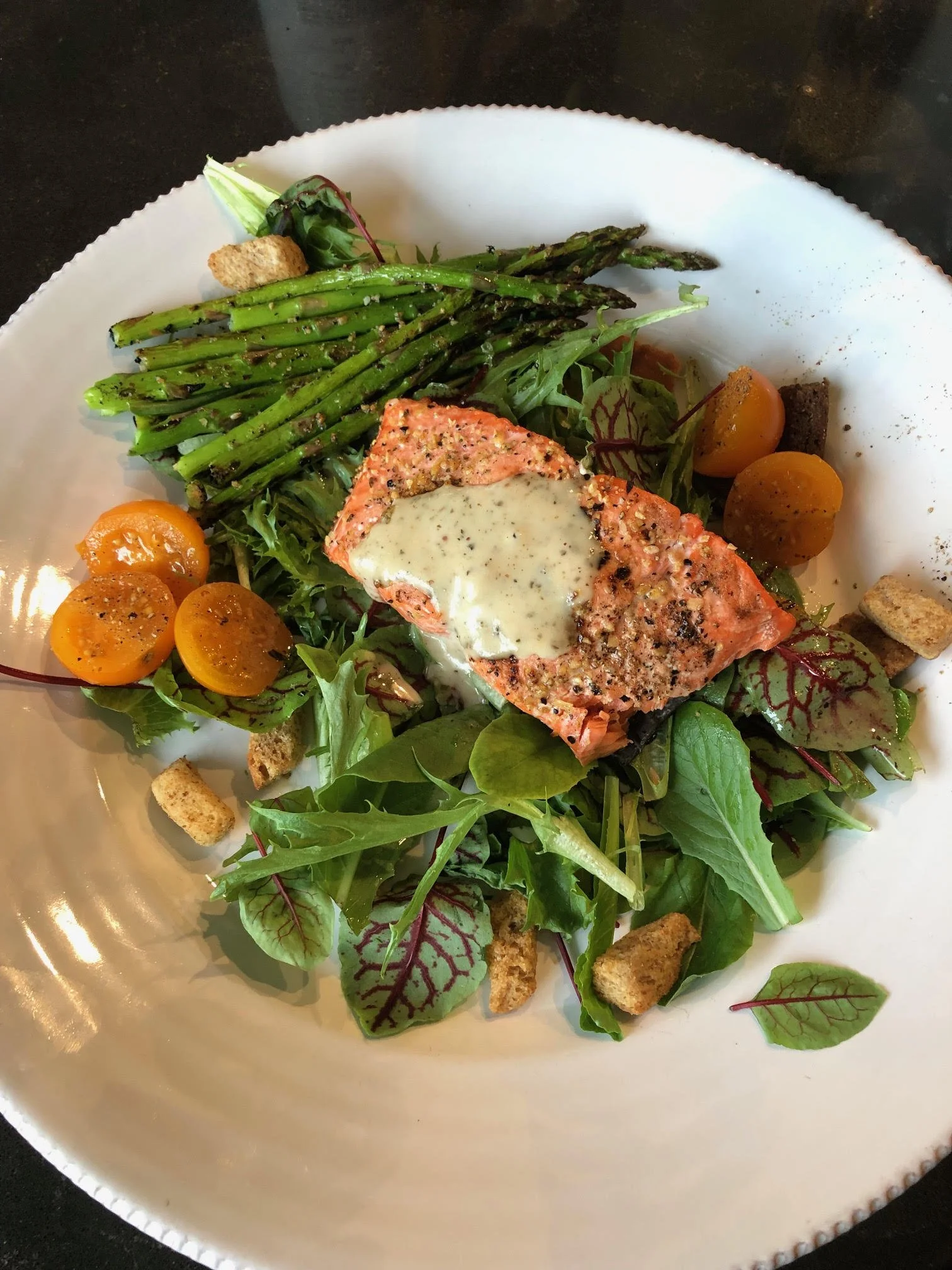
A simple formula is:
Protein + vegetables + fiber + healthy fats
For example, grilled chicken with roasted vegetables and avocado.
Or eggs with vegetables and berries.
Or salmon with broccoli and a large salad.
Healthy eating doesn't have to mean complicated eating.
Walking Still Counts
One of the easiest habits to maintain is walking.
You don't need an expensive gym membership or complicated workout program.
Take a walk after dinner.
Walk during your lunch break.
Meet a friend and walk while you catch up.
Park farther away.
Take the stairs.
Regular movement supports cardiovascular health, metabolic health, mobility, and weight management.
And perhaps most importantly, it's something many people can realistically continue for years.
Protect Your Sleep
Sleep can influence appetite, cravings, mood, and energy.
And for women over 50, menopause can make sleep particularly challenging.
Hot flashes, night sweats, stress, and changing sleep patterns can all interfere.
Make sleep part of your wellness plan.
Try maintaining a consistent bedtime, limiting late-night screen time, keeping your bedroom comfortable, and creating a routine that tells your body it's time to wind down.
If sleep problems persist, talk with your healthcare provider.
Have a Plan for Cravings
If your appetite increases after changing GLP-1 treatment, don't wait until you're starving to figure out what you're going to eat.
Prepare.
Keep protein-rich and fiber-rich options available.
Think Greek yogurt, cottage cheese, eggs, turkey roll-ups, nuts, vegetables and guacamole, berries, or a protein shake.
The easier your healthy choices are, the less willpower you need.
Where Can Ketones Fit Into Life After GLP-1?
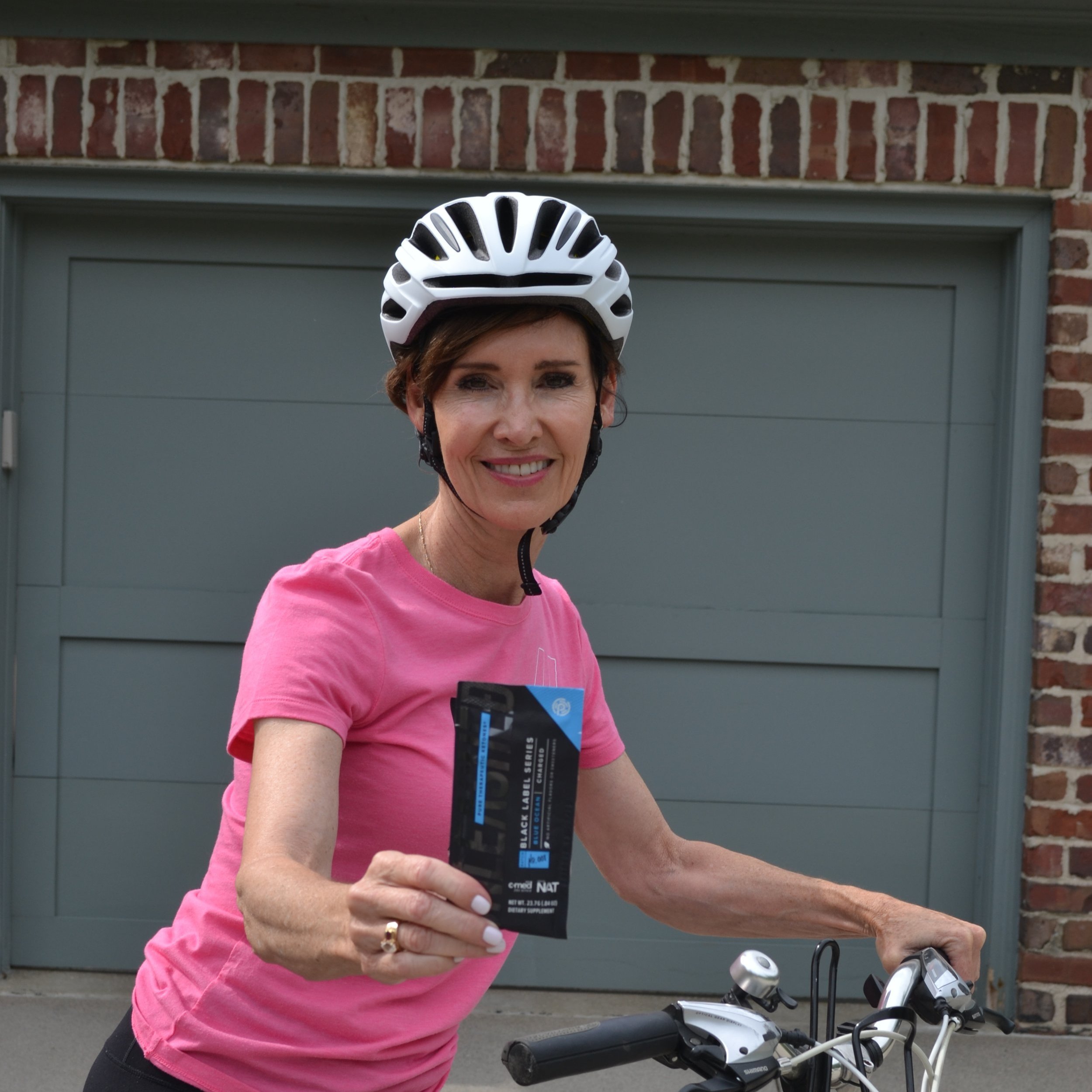
At Ketone Living, I'm interested in creating a lifestyle that supports wellness after 50—and ketones can be one optional tool within that lifestyle.
Exogenous ketones provide ketone bodies from an outside source. They're different from GLP-1 medications and should not be viewed as a replacement for prescription treatment.
That's an important distinction.
There isn't good evidence that a ketone supplement can replace the effects of a GLP-1 medication or prevent weight regain after stopping one.
Instead, I look at Prüvit ketones as something that can fit alongside the foundational habits I'm already working on.
Protein.
Fiber.
Movement.
Strength.
Hydration.
Sleep.
Stress management.
Those come first.
If you're currently taking a GLP-1 medication or transitioning off one, discuss supplements and significant dietary changes with your healthcare provider—especially if you're managing diabetes or taking other medications.
Create Your New Routine Before You Need It
Don't wait until your old habits begin creeping back in to create your maintenance plan.
Think about what worked during your weight-loss journey.
Maybe you started eating breakfast.
Maybe you discovered you love walking.
Maybe you learned how much better you feel when you prioritize protein.
Maybe you finally started strength training.
Keep those wins.
Medication may have been one part of your journey, but the healthy routines you've developed belong to you.
Stop Expecting Perfection
Maintenance doesn't mean your weight will never fluctuate.
Life happens.
Vacations happen.
Holidays happen.
Stress happens.
Birthdays happen.
A few pounds of fluctuation doesn't mean you've failed.
Instead of responding with an extreme diet, return to your basics.
Protein.
Fiber.
Water.
Movement.
Sleep.
Strength.
Consistency.
Your next healthy decision matters much more than yesterday's imperfect one.
Life After GLP-1 Is About Building Something Sustainable
If you're thinking about life after GLP-1 medications, don't think of it as going back to the way things were before.
Think of it as moving forward with everything you've learned.
You know more about your body now.
You know what foods make you feel good.
You know movement matters.
You know muscle matters.
And you know that long-term wellness is built through habits repeated over time.
At Ketone Living, that's the lifestyle I want to encourage for women over 50.
Prioritize your protein. Eat your fiber. Drink your water. Build your muscle. Move your body. Protect your sleep. And keep going.
For me, Prüvit ketones can be another tool in that wellness toolbox, not a replacement for GLP-1 medication and not a shortcut around healthy habits.
If you're curious about how I incorporate Prüvit ketones into my lifestyle, contact me. I'd love to share my experience and help you learn more about creating a Ketone Living lifestyle that supports your next chapter.
Your weight-loss journey may have changed. Your commitment to feeling strong, healthy, and energized doesn't have to.