
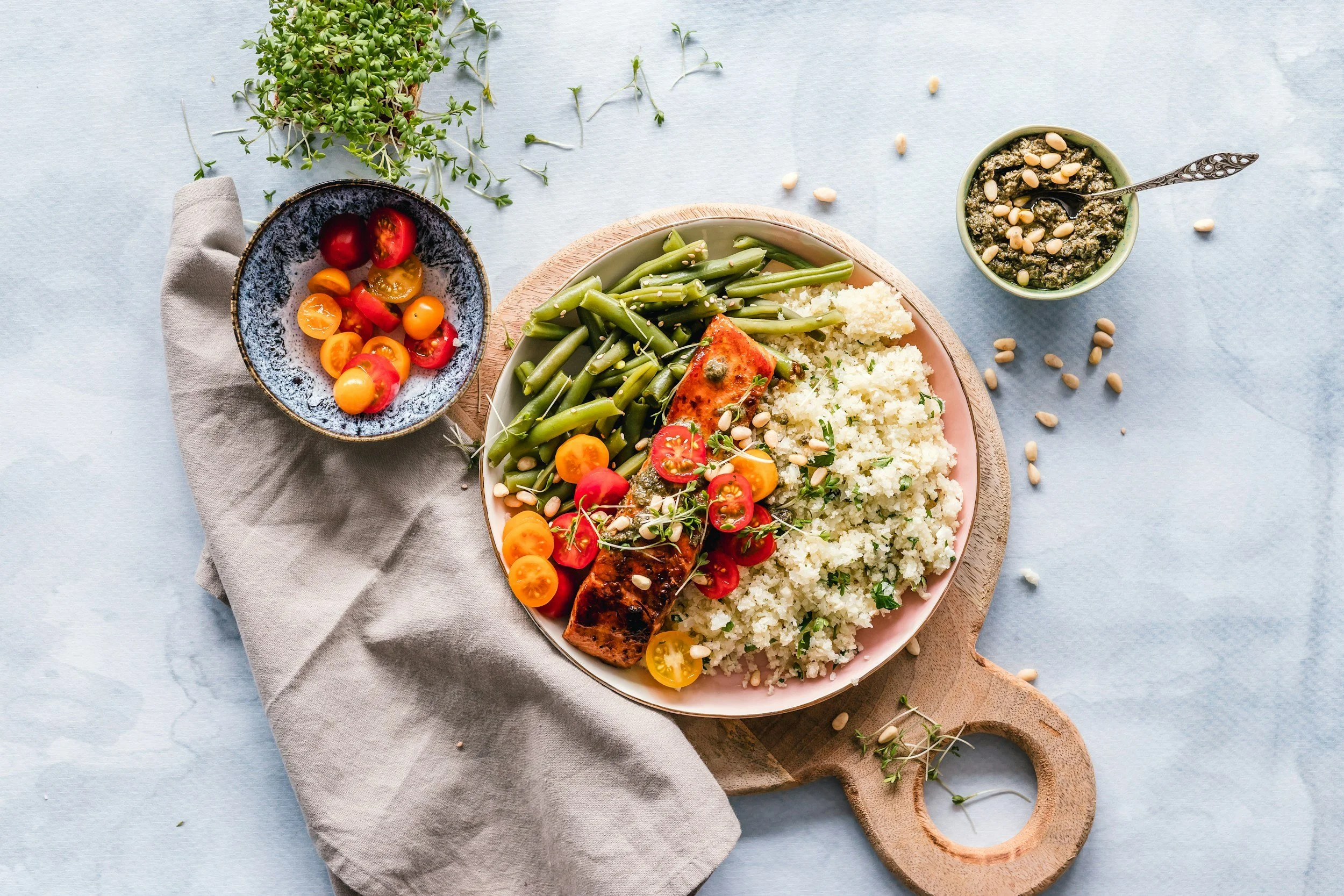
Protein gets a lot of attention after 50—and for good reason. But there's another nutritional powerhouse that deserves a permanent place on your plate: fiber.
Fiber supports digestive health, helps you feel satisfied after meals, and can support healthy cholesterol and blood sugar levels. Yet many adults don't get enough.
For women navigating menopause, changing metabolism, and new wellness goals, getting enough fiber after 50 is one simple way to support long-term health.
But how much fiber do women really need? And if you're eating lower-carb or following a keto-inspired lifestyle, can you still get enough?
Absolutely.
Let's break it down.
What Is Fiber?
Fiber is a type of carbohydrate found primarily in plant foods that your body doesn't completely digest.
Instead of being broken down and absorbed like many other carbohydrates, fiber travels through your digestive system, where it performs several important jobs.
There are two main types: soluble and insoluble fiber.
Soluble fiber dissolves in water and forms a gel-like substance. It's found in foods such as oats, beans, chia seeds, flaxseed, and some fruits.
Insoluble fiber adds bulk to stool and helps move food through the digestive system. Vegetables, nuts, seeds, and whole grains are common sources.
You don't need to obsess over getting the perfect amount of each type. Eating a variety of plant foods can help you get both.

How Much Fiber Do Women Over 50 Need?
According to U.S. dietary guidance, women ages 51 and older generally need about 22 grams of fiber per day. Individual needs can vary depending on total calorie intake, health conditions, and other factors.
That may not sound like much until you start looking at what you eat during a typical day.
If breakfast is eggs, lunch is turkey and cheese, and dinner is chicken with a small side salad, you might be getting plenty of protein but not nearly enough fiber.
The goal isn't to choose fiber instead of protein.
It's to build meals that include both.
Think:
Protein + vegetables + healthy fats + fiber.
That's a combination that can work beautifully for women over 50.
Why Fiber Becomes Important After 50
Aging brings changes to digestion, activity levels, hormones, and metabolism.
Constipation can become more common, particularly if you're not drinking enough water, getting enough movement, or consuming enough fiber.
Fiber can help support regular bowel movements, but its benefits extend far beyond digestion.
A fiber-rich diet can also support cardiovascular and metabolic health—two things that become increasingly important as we age.
Instead of thinking of fiber as something you only need when you're constipated, think of it as part of your everyday wellness routine.
Fiber Can Help You Feel Full
Trying to manage your weight after menopause?
Fiber can be your friend.
Fiber-rich foods tend to digest more slowly and often provide more volume, helping meals feel satisfying.
Imagine eating a small handful of crackers versus a plate containing grilled chicken, avocado, broccoli, leafy greens, and chia seeds.
The second option gives you protein, fiber, fat, and significantly more food volume.
Feeling satisfied matters.
When your meals actually nourish you, it can become easier to avoid constantly searching the pantry for something else to eat.
Fiber Supports Healthy Blood Sugar
We've talked before at Ketone Living about how insulin and blood sugar can change as we age.
Fiber can be an important part of that conversation.
Fiber slows digestion, which can help moderate the rise in blood glucose after a meal compared with eating rapidly digested carbohydrates alone.
One easy strategy is to pair carbohydrates with protein, fiber, and healthy fats.
Instead of eating fruit by itself, for example, try berries with Greek yogurt and chia seeds.
Instead of crackers alone, pair a fiber-rich option with turkey, cheese, or another protein source.
It's not about fearing carbohydrates.
It's about creating balance.
Fiber and Heart Health After Menopause
Heart health becomes especially important after menopause.
Certain types of soluble fiber can help lower LDL cholesterol as part of a heart-healthy diet.
Foods containing soluble fiber include:
Chia seeds
Flaxseed
Beans
Lentils
Oats
Avocado
Some fruits and vegetables
You don't need to eat all of these every day.
Start by adding one or two foods you actually enjoy.
Healthy eating works much better when you like what you're eating.
Can You Get Enough Fiber on Keto?
Yes—but you need to be intentional.
One mistake people sometimes make when starting a ketogenic or very low-carbohydrate diet is eliminating many carbohydrate-containing foods without replacing their fiber.
Suddenly their diet consists primarily of meat, cheese, eggs, butter, and very few plants.
Your vegetables still matter.
There are plenty of lower-carbohydrate foods that contain fiber.
Great keto-friendly or lower-carb choices include:
Avocado
Chia seeds
Flaxseed
Almonds
Pecans
Raspberries
Blackberries
Broccoli
Cauliflower
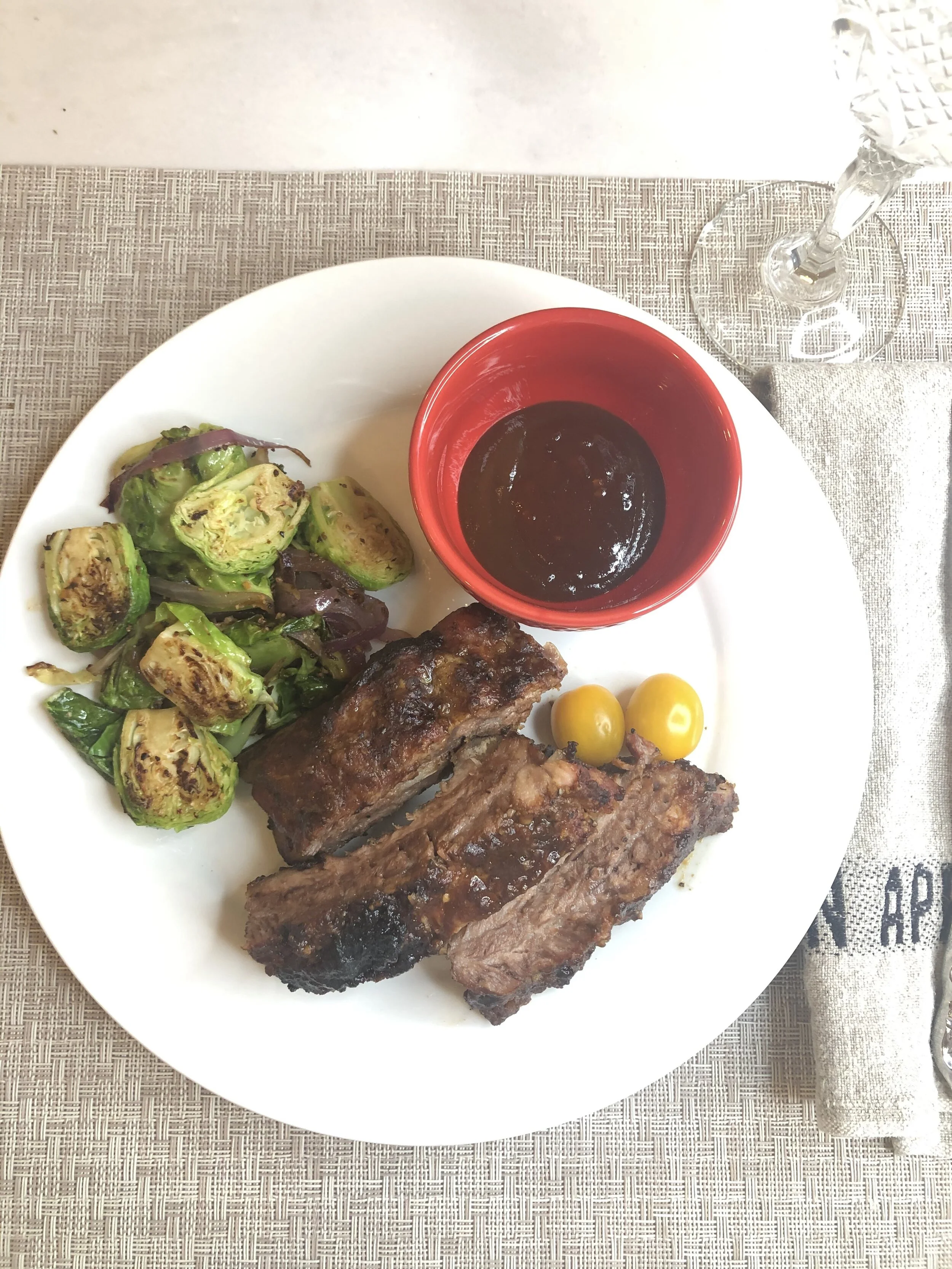
Brussels sprouts
Leafy greens
Asparagus
You can follow a lower-carb eating pattern without making your plate beige.
Bring on the vegetables.
10 High-Fiber Foods Women Over 50 Should Know
If you're trying to increase fiber, start with whole foods.
Here are some easy options to work into your routine:
1. Chia seeds
Add them to Greek yogurt, smoothies, or chia pudding.
2. Avocado
Add avocado to eggs, salads, or turkey roll-ups.
3. Raspberries
Berries can provide fiber while fitting into many lower-carbohydrate eating patterns.
4. Flaxseed
Ground flaxseed works well in yogurt, smoothies, or keto-friendly baked goods.
5. Broccoli
Roast it, steam it, or toss it into a stir-fry.
6. Brussels sprouts
Roasted Brussels sprouts make an easy side dish for chicken, steak, or fish.
7. Almonds
Keep individually portioned servings available for busy days.
8. Cauliflower
Use it roasted, mashed, or as cauliflower rice.
9. Leafy greens
Spinach, kale, and other greens make an easy foundation for salads and bowls.
10. Beans and lentils
These contain more carbohydrates than many traditional keto foods, but they can provide significant fiber and protein for women following a less restrictive eating plan.
Remember: your nutrition doesn't have to fit perfectly into someone else's label.
Find what works for your body and goals.
Increase Fiber Slowly
If you're currently eating very little fiber, don't jump from 10 grams to 30 grams overnight.
Your digestive system may have something to say about that!
Increasing fiber too quickly can cause:
Gas
Bloating
Abdominal discomfort
Changes in bowel habits
Instead, gradually increase your intake.
Add some chia seeds this week.
Add another serving of vegetables next week.
Swap a low-fiber snack for berries and nuts.
Small changes are easier for your body—and your lifestyle—to handle.
Water and Fiber Work Together
Here's something important: if you're increasing fiber, pay attention to hydration too.
Fiber absorbs water.
Without adequate fluids, suddenly increasing fiber may make constipation worse rather than better.
Keep water nearby throughout the day.
Drink with meals.
Take your water bottle when you're running errands.
And remember my favorite reminder:
Drink your water.
Simple doesn't mean unimportant.
Don't Forget to Move Your Body
Digestion isn't just about what you eat.
Movement matters too.
Walking, strength training, gardening, stretching, and everyday activity can all support overall health and normal digestive function.
You don't need an intense workout every day.
Sometimes a walk after dinner is exactly what your body needs.
What About Fiber Supplements?
Whole foods are a great place to start because they provide more than isolated fiber. They can also deliver vitamins, minerals, healthy fats, and other beneficial plant compounds.
Fiber supplements can be useful for some people, but they're not automatically necessary for everyone.
If you're considering a supplement—particularly if you take medications or have a gastrointestinal condition—talk with your healthcare provider about what makes sense for you.
And remember that "more" isn't always better.
Your goal is enough fiber, not as much fiber as humanly possible.
Where Do Ketones Fit Into the Picture?
At Ketone Living, I talk a lot about building a lifestyle rather than relying on one product or one diet.
For me, Prüvit ketones can be one tool within that routine.
But ketones don't replace fiber.
They don't replace protein.
And they don't replace vegetables.
I think about the whole picture:
Am I eating enough protein?
Am I getting fiber?
Am I drinking water?
Am I moving?
Am I strength training?
Am I getting enough sleep?
Then I look at additional tools that fit my lifestyle.
That's how I approach ketones too.
A Simple High-Fiber Day After 50
Getting enough fiber doesn't have to require complicated recipes.
Breakfast could be Greek yogurt with chia seeds, raspberries, and walnuts.
Lunch could be grilled chicken over leafy greens with avocado, cucumber, and vegetables.
Your afternoon snack might be almonds with a few berries.
Dinner could include salmon with roasted broccoli and cauliflower.
Simple.
Nutritious.
Realistic.
That's what we're going for.
Final Thoughts: Fiber Deserves a Place on Your Plate After 50
When it comes to fiber after 50, you don't need to completely change your diet overnight.
Start by looking at your plate.
Where are the plants?
Where's the protein?
Where's the fiber?
Then make one small improvement.
Add chia seeds to breakfast.
Put avocado on your salad.
Eat another serving of vegetables.
Grab berries instead of a sugary snack.
Drink your water.
And keep going.
Healthy aging isn't about finding the perfect diet. It's about consistently giving your body what it needs to stay strong, energized, and healthy.
At Ketone Living, I believe wellness after 50 should fit into your real life. Prioritize your protein. Eat your fiber. Move your body. Stay hydrated. Build your strength.
And if you're curious about how Prüvit ketones fit into my personal wellness routine, contact me. I'd love to share what I use, how I incorporate ketones into my day, and help you learn whether they're a good fit for your wellness journey.