
Hormones and Weight Loss: Why Your Hormones Matter More Than You Think After 50
If you've ever felt like you're doing everything "right"—eating healthy, exercising regularly, and still struggling to lose weight—you may have wondered if your hormones are to blame.

The truth is hormones and weight loss are closely connected. Hormones influence everything from your appetite and metabolism to where your body stores fat and how much energy you have throughout the day.
For women over 50, hormonal changes during perimenopause and menopause can make maintaining a healthy weight more challenging. The good news? While you can't stop hormonal changes, you can learn how to support your body with healthy habits that work with your hormones, not against them.
Let's take a closer look at how hormones affect weight loss and what you can do to support your health during this stage of life.
What Are Hormones?
Hormones are chemical messengers produced by glands throughout your body. They travel through your bloodstream and help regulate many important functions, including:
Appetite
Metabolism
Blood sugar
Sleep
Mood
Energy
Fat storage
Muscle maintenance
When hormones shift—as they naturally do with age—they can affect how your body responds to food, exercise, and stress.
Estrogen: The Hormone That Changes the Most
Estrogen is one of the most significant hormones affecting women during midlife.
As estrogen levels decline during menopause, many women notice:
Increased belly fat
More difficulty losing weight
Changes in body composition
Hot flashes
Poor sleep
Mood swings
Estrogen also helps regulate insulin sensitivity. Lower estrogen levels may make it easier for the body to store fat, particularly around the abdomen.
While these changes can be frustrating, they are a normal part of aging—not a sign that you've failed.
Insulin: Your Blood Sugar Hormone
Insulin plays a critical role in how your body uses and stores energy.
After you eat carbohydrates, insulin helps move glucose from your bloodstream into your cells. Over time, some people become less responsive to insulin, a condition known as insulin resistance.
When this happens, you may notice:
Increased hunger
Sugar cravings
Afternoon energy crashes
Difficulty losing weight
Supporting healthy blood sugar through balanced meals, regular physical activity, and adequate protein can help your body manage energy more efficiently.

Cortisol: The Stress Hormone
Stress is part of life—but chronic stress can influence weight management.
Cortisol is released when your body perceives stress. In the short term, it's helpful. But when stress becomes ongoing, elevated cortisol may contribute to:
Increased appetite
Cravings for sugary foods
Poor sleep
Fat storage around the midsection
You don't have to eliminate stress completely. Instead, focus on managing it through healthy habits like walking, journaling, stretching, prayer or meditation, spending time outdoors, or connecting with friends and family.
Leptin and Ghrelin: The Hunger Hormones
Two hormones work together to help regulate hunger:
Leptin signals that you're full.
Ghrelin signals that you're hungry.
Sleep deprivation, chronic dieting, and stress can disrupt these hormones, making it harder to recognize hunger and fullness cues.
If you've ever noticed that you're hungrier after a poor night's sleep, these hormones are one reason why.
Thyroid Hormones and Metabolism
Your thyroid helps regulate metabolism by producing hormones that influence how your body uses energy.
An underactive thyroid (hypothyroidism) can contribute to:
Fatigue
Weight gain
Dry skin
Feeling cold
Constipation
Because these symptoms can overlap with menopause, it's important to talk with your healthcare provider if you have concerns about thyroid function.
Why Weight Loss Changes After Menopause
Many women feel discouraged when the weight-loss strategies that worked in their 30s no longer work after 50.
That's because several factors often occur at the same time:
Lower estrogen levels
Loss of lean muscle mass
Reduced calorie needs
Changes in sleep quality
Increased stress
Less physical activity
These changes don't make weight loss impossible—they simply mean your body benefits from a different approach.
Focus on Protein First
One of the best nutrition strategies for women over 50 is prioritizing protein.
Protein helps:
Preserve lean muscle
Increase satiety
Support metabolism
Aid recovery after exercise
Aim to include a quality protein source with each meal and snack.
Examples include:
Eggs
Greek yogurt
Cottage cheese
Chicken
Turkey
Fish
Lean beef
Tofu
Beans and lentils
Maintaining muscle is one of the most effective ways to support a healthy metabolism as you age.
Strength Training Supports Hormonal Health
Many women spend years focusing only on cardio.
While walking, cycling, and swimming are excellent for heart health, resistance training offers additional benefits.
Strength training helps:
Build and preserve muscle
Improve insulin sensitivity
Support bone health
Increase functional strength
Promote healthy aging
Even two or three sessions each week can make a meaningful difference.
Prioritize Quality Sleep
Sleep affects nearly every hormone involved in weight management.
Poor sleep may:
Increase hunger
Raise cortisol
Reduce energy
Increase cravings
Make healthy choices more difficult
Create a relaxing bedtime routine by limiting screen time before bed, keeping your bedroom cool and dark, and maintaining a consistent sleep schedule whenever possible.
Choose Whole Foods Most Often
Rather than following restrictive diets, focus on eating nutrient-dense foods that support your body's changing needs.
Fill your plate with:
Colorful vegetables
Lean proteins
Healthy fats
High-fiber foods
Whole-food carbohydrates
These foods provide vitamins, minerals, antioxidants, and fiber that support overall health.
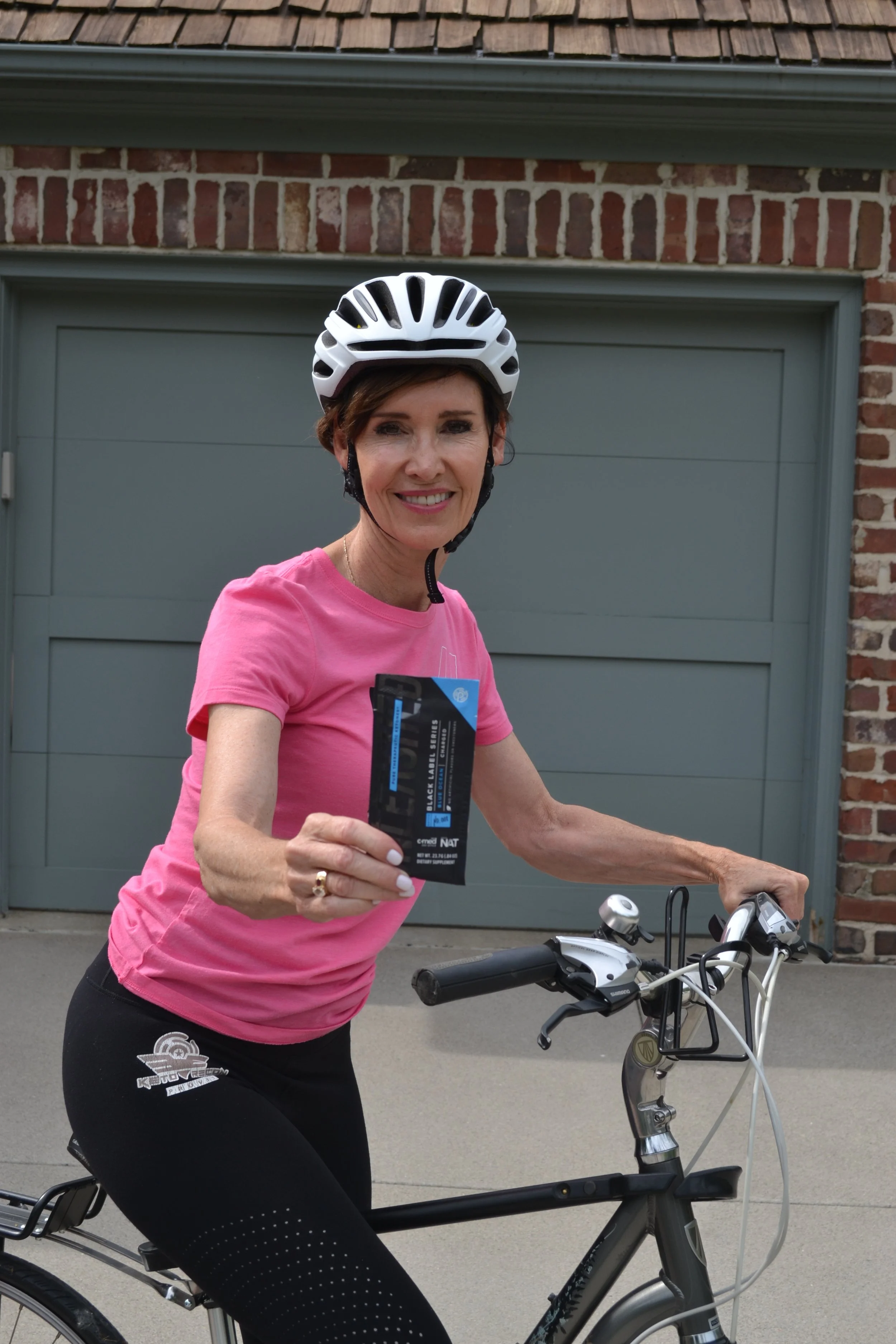
Stay Active Throughout the Day
Exercise doesn't have to happen only in the gym.
Daily movement also matters.
Try:
Walking after meals
Gardening
Stretching
Taking the stairs
Playing with grandchildren
Dancing
Household projects
Small bursts of movement throughout the day can add up over time.
Can Ketones Support Your Wellness Journey?
Many women are exploring exogenous ketones as part of a balanced wellness routine.
For some people, ketones may help provide an alternative fuel source for the brain and body while supporting mental clarity and sustained energy. Individual experiences vary, and ketones work best alongside nutritious eating, regular movement, and healthy lifestyle habits.
If you're interested in products like Prüvit, think of them as one tool—not a replacement for healthy nutrition or exercise. The foundation of long-term wellness is still built on balanced meals, strength training, quality sleep, hydration, and stress management.
Small Habits Create Lasting Results
Healthy hormones aren't about finding a miracle supplement or following the latest diet trend.
Instead, focus on simple habits you can maintain consistently:
Eat enough protein.
Strength train regularly.
Walk every day.
Get quality sleep.
Drink plenty of water.
Manage stress.
Choose whole foods most often.
These habits work together to support your body through every stage of life.
Final Thoughts
Understanding the connection between hormones and weight loss can help shift your mindset from frustration to empowerment.
Yes, your hormones change after 50. But those changes don't define your future or determine your success.
Instead of fighting your body, learn to support it.
Fuel yourself with nutritious foods. Build strength. Prioritize sleep. Manage stress. Stay active. Celebrate progress that goes beyond the number on the scale.
At Ketone Living, I believe wellness after 50 is about feeling energized, confident, and capable. Every healthy choice you make is an investment in your future.
If you're curious about how Prüvit ketones fit into a healthy lifestyle, I'd love to share my experience and help you decide if they're right for your wellness journey. Contact me to learn more!