
The Truth About Menopause Belly Fat: Why It Happens and What You Can Do About It
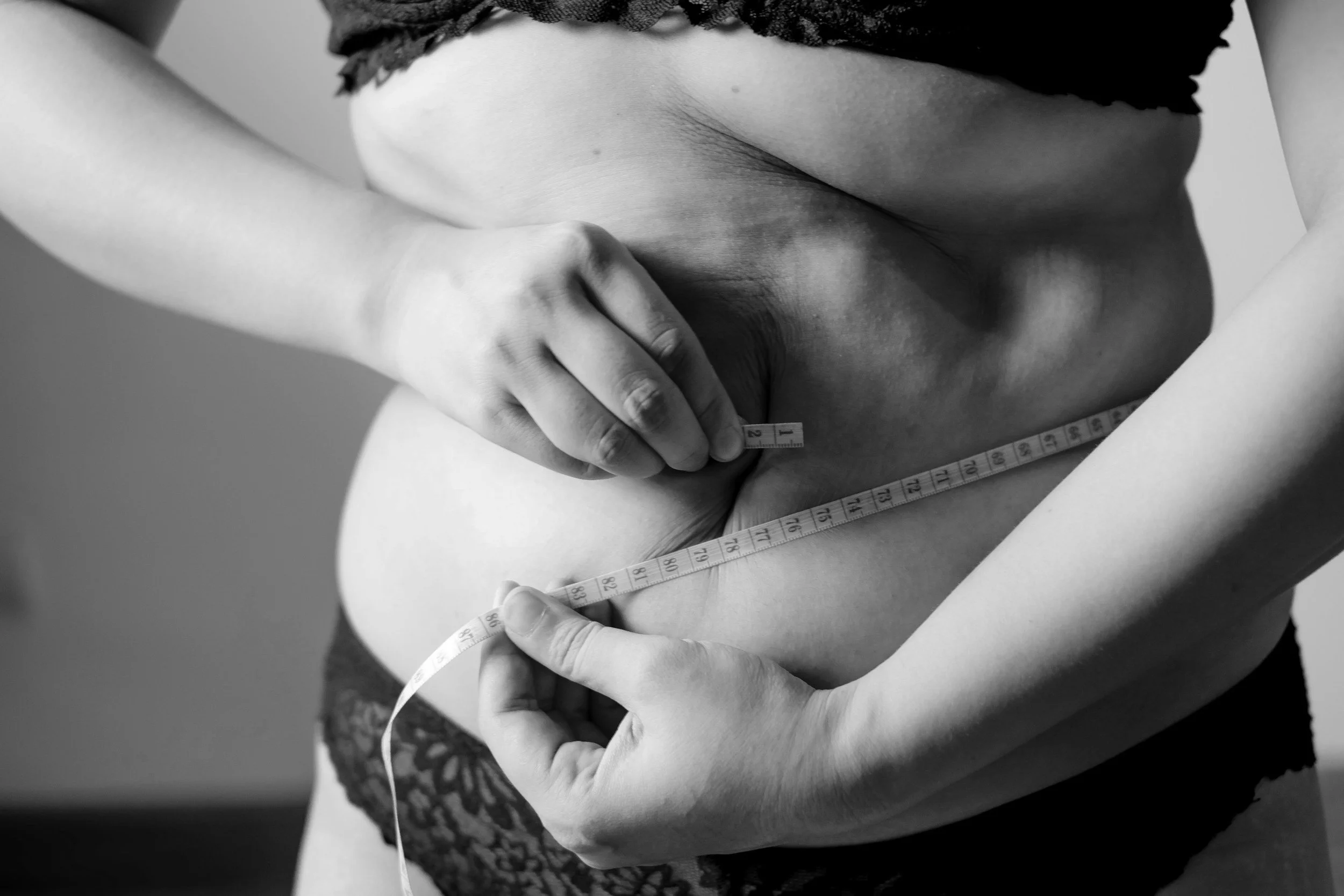
If you've noticed that your favorite jeans suddenly fit differently—even though your eating habits haven't changed- you're not alone.
Many women find that during perimenopause and menopause, weight seems to settle around the midsection. It can feel frustrating, especially when the strategies that worked in your 30s and 40s no longer produce the same results.
The truth is, menopause belly fat is real, but it isn't caused by one single factor. Hormonal changes, muscle loss, stress, sleep, nutrition, and activity levels all influence where your body stores fat during midlife.
The good news? While you can't stop menopause, you can support your body with habits that promote healthy aging, improve body composition, and help you feel stronger and more energized.
Let's separate fact from fiction about menopause belly fat.
Is Menopause Belly Fat Real?
Yes.
Research has shown that many women experience changes in body composition during menopause. Even if your overall weight doesn't change significantly, fat may shift from the hips and thighs to the abdominal area.
This doesn't mean you're doing anything wrong.
It's a normal biological response to aging and hormonal changes.
Understanding what's happening can help you focus on strategies that actually work instead of chasing quick fixes.
Why Does Belly Fat Increase During Menopause?
There isn't one single cause.
Several factors happen simultaneously during menopause, creating the perfect environment for abdominal weight gain.
These include:
Declining estrogen
Loss of muscle mass
Slower metabolism
Reduced physical activity
Changes in insulin sensitivity
Poor sleep
Increased stress
Each of these factors plays a role in how your body stores and uses energy.
Estrogen Changes Where Fat Is Stored
One of the biggest hormonal shifts during menopause is declining estrogen.
Estrogen influences fat distribution throughout the body. Before menopause, women tend to store more fat in the hips and thighs.
As estrogen declines, the body becomes more likely to store fat around the abdomen.
This change is common and affects women regardless of whether they're actively trying to lose weight.
Muscle Loss Slows Your Metabolism
Beginning around age 30, adults naturally lose muscle mass if they don't actively work to maintain it.
After menopause, this process often accelerates.
Muscle burns more calories than fat—even while you're resting.
When muscle decreases, your daily calorie needs naturally decline.
That means eating exactly the same way you did 20 years ago may eventually lead to gradual weight gain.
The solution isn't starving yourself.
It's preserving and building muscle whenever possible.
Sleep Matters More Than Ever
Many women struggle with sleep during menopause.
Hot flashes, night sweats, stress, and changing hormones can all interfere with quality rest.
Poor sleep affects hormones involved in hunger and fullness, making you more likely to crave sugary or high-calorie foods the next day.
It also leaves you feeling too tired to exercise or prepare healthy meals.
Protecting your sleep may be one of the most overlooked weight-management strategies after 50.
Stress and Belly Fat
Life after 50 can be demanding.
Many women balance careers, aging parents, adult children, caregiving responsibilities, finances, and major life transitions.
Chronic stress causes your body to release cortisol.
While cortisol is an essential hormone, long-term elevation has been associated with increased appetite, cravings, and abdominal fat storage.
Managing stress doesn't eliminate challenges, but it helps your body respond more effectively.

Insulin Plays a Role Too
Another important factor is insulin.
Insulin helps regulate blood sugar by moving glucose into your body's cells.
As we age, our cells may become less responsive to insulin, making blood sugar management more challenging.
This can contribute to:
Sugar cravings
Afternoon energy crashes
Increased hunger
Difficulty managing weight
Balanced meals that include protein, healthy fats, and fiber can help support healthy blood sugar levels.
You Can't Spot Reduce Belly Fat
One of the biggest myths surrounding menopause belly fat is that endless crunches will flatten your stomach.
Unfortunately, you can't choose where your body loses fat.
Doing hundreds of sit-ups won't specifically burn abdominal fat.
Instead, focus on improving your overall body composition by:
Building muscle
Increasing daily movement
Eating nutritious foods
Managing stress
Sleeping well
Over time, these habits support healthy fat loss throughout the body.

Strength Training Should Be Your Priority
If there is one exercise women over 50 should prioritize, it's strength training.
Resistance training helps:
Preserve muscle
Increase strength
Improve insulin sensitivity
Support metabolism
Protect bone health
Improve balance
You don't have to lift heavy weights.
Bodyweight exercises, resistance bands, dumbbells, and machines all provide benefits.
Aim for at least two strength-training sessions each week.
Walking Is Still One of the Best Exercises
Don't underestimate walking.
Regular walking supports heart health, reduces stress, improves insulin sensitivity, and helps increase your daily calorie expenditure.
Even a 20–30 minute walk after meals can make a meaningful difference over time.
Consistency matters more than intensity.
Protein Becomes Even More Important
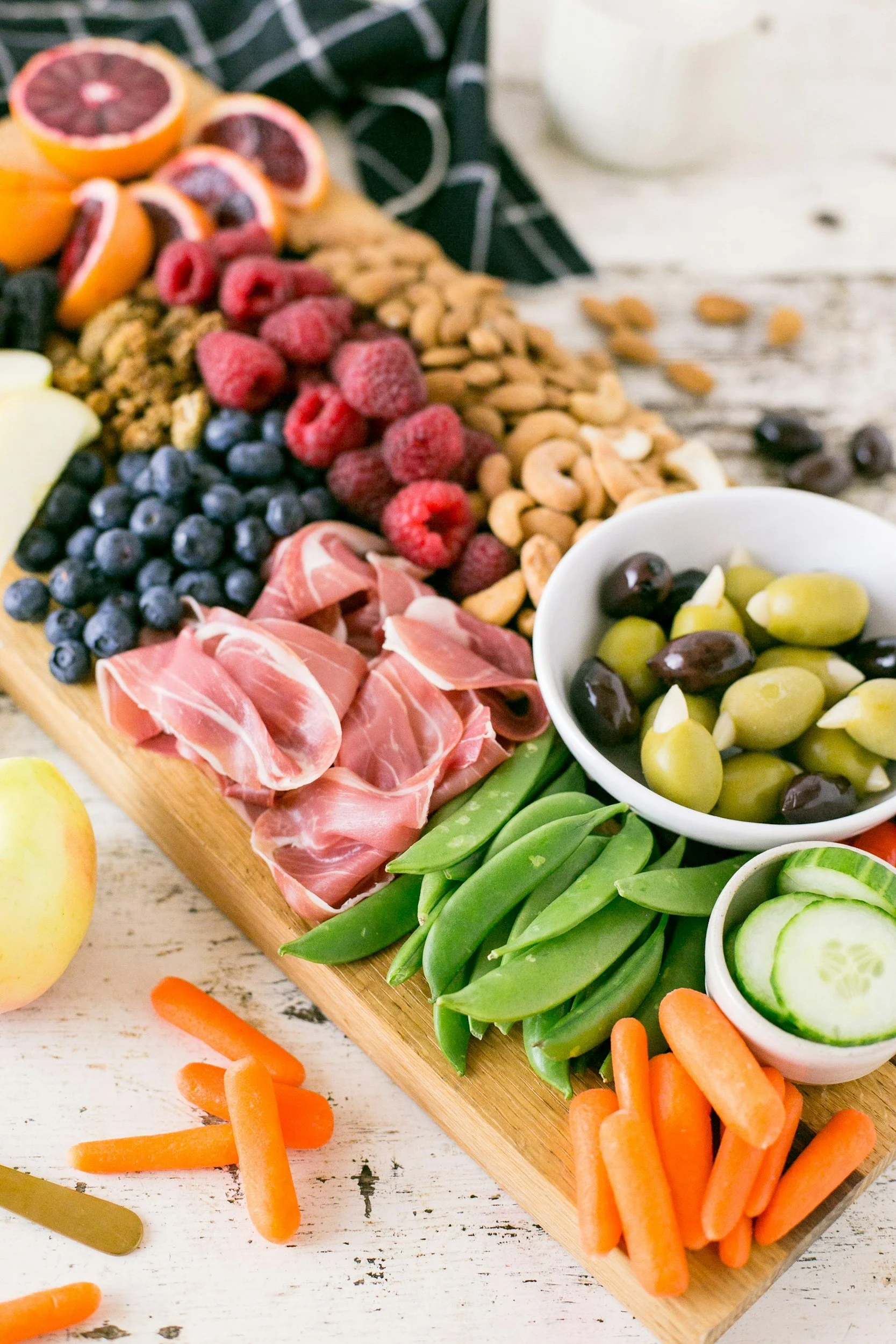
Protein helps preserve lean muscle while keeping you full longer.
Many women don't consume enough protein throughout the day.
Try including protein at every meal.
Examples include:
Eggs
Greek yogurt
Cottage cheese
Chicken
Turkey
Fish
Lean beef
Tofu
Lentils
Protein smoothies
Pairing protein with vegetables and healthy fats creates meals that are satisfying and nutrient-dense.
Don't Fear Healthy Fats
Healthy fats support overall health and can help meals feel more satisfying.
Include foods such as:
Avocados
Olive oil
Nuts
Seeds
Fatty fish
The goal isn't eliminating fat—it's choosing healthier sources while paying attention to overall balance.
Fiber Helps You Stay Fuller Longer
Fiber supports digestive health and helps slow digestion, promoting longer-lasting fullness.
Excellent sources include:
Vegetables
Berries
Beans
Lentils
Chia seeds
Flaxseed
Nuts
Aim to include fiber-rich foods at every meal whenever possible.
Hydration Makes a Difference
Sometimes thirst feels like hunger.
Staying hydrated supports energy, digestion, and overall wellness.
Carry a reusable water bottle and sip throughout the day.
If plain water feels boring, add lemon, cucumber, or fresh berries for flavor.
Can Ketones Help?
Many women are exploring exogenous ketones as part of a healthy lifestyle.
Products like Prüvit ketones may provide an alternative fuel source for the brain and body. Some people report experiencing increased energy, improved focus, or better appetite management when using them alongside healthy nutrition and exercise.
It's important to remember that ketones are not a magic solution for menopause belly fat.
The best results come from combining healthy eating, strength training, regular movement, quality sleep, hydration, and stress management.
Think of ketones as one tool that may complement an already healthy routine.
Stop Chasing Quick Fixes
The internet is filled with promises to "melt belly fat" in seven days.
Unfortunately, there are no miracle teas, detoxes, or exercises that specifically target menopause belly fat.
Healthy, lasting change comes from consistency.
Small habits repeated over time are far more powerful than extreme diets you'll eventually abandon.
Celebrate More Than the Scale
The number on the scale isn't the only measure of progress.
Celebrate improvements like:
More energy
Better sleep
Increased strength
Clothes fitting differently
Improved confidence
Better endurance
Less afternoon fatigue
These victories often appear before major changes on the scale.
Final Thoughts
The truth about menopause belly fat is that it isn't simply about eating too much or exercising too little.
Hormonal changes, aging, muscle loss, stress, sleep, and blood sugar all influence how your body stores fat during this stage of life.
The encouraging news is that there are many things you can control.
Focus on eating enough protein, lifting weights, walking regularly, sleeping well, managing stress, and nourishing your body with whole foods.
Most importantly, be patient with yourself. Your goal isn't to have the body you had at 25.
Your goal is to build a body that is strong, healthy, energetic, and capable of supporting the life you want to live.
At Ketone Living, we believe healthy aging is about feeling your best, not chasing perfection. If you're curious about how Prüvit ketones may fit into your wellness routine, I'd love to share my experience and help you determine if they're a good fit for your goals. Contact me to learn more!