
How to Stop Sugar Cravings During Menopause: Can Ketones Help?

Have you ever finished dinner and suddenly felt like you needed something sweet?
Or maybe 3:00 p.m. hits and you're searching the kitchen for chocolate, cookies, or anything with sugar.
If sugar cravings seem stronger during perimenopause or menopause, you're not alone. Midlife brings changes in hormones, sleep, stress, body composition, and eating patterns that can all influence appetite and food cravings.
The answer isn't necessarily more willpower.
Understanding how to stop sugar cravings during menopause starts with understanding why those cravings happen. From prioritizing protein and getting better sleep to managing stress and experimenting with tools such as ketones, there are practical ways to build a routine that makes cravings easier to manage.
Here's what women over 50 should know.
Why Do Sugar Cravings Increase During Menopause?
Menopause doesn't automatically cause you to crave chocolate, but the changes happening during this stage of life can influence hunger and eating behavior.
Declining estrogen, disrupted sleep, stress, and changes in body composition can all affect how you feel throughout the day.
Then there's real life.
You're tired. You're stressed. You skipped lunch. It's been six hours since you ate.
Your body wants energy—and the donut sitting in the break room suddenly looks pretty amazing.
Instead of blaming yourself for the craving, look at what's happening around it.
Are you actually hungry?
Did you eat enough protein?
How did you sleep?
Are you stressed?
Did you skip a meal?
Recognizing your patterns is one of the first steps toward changing them.
Blood Sugar Swings Can Make Cravings Harder
Meals and snacks that are heavy in refined carbohydrates but low in protein and fiber can leave some people feeling hungry again relatively quickly.
Think about a breakfast consisting of a pastry and sweetened coffee.
You may feel great initially, but a few hours later you might be hungry and reaching for another quick source of energy.
Compare that with a breakfast containing eggs, vegetables, avocado, and Greek yogurt.
The second meal provides protein, fat, and fiber that can make it easier to stay satisfied.
You don't need to fear carbohydrates. Instead, think about creating balanced meals that support steady energy.
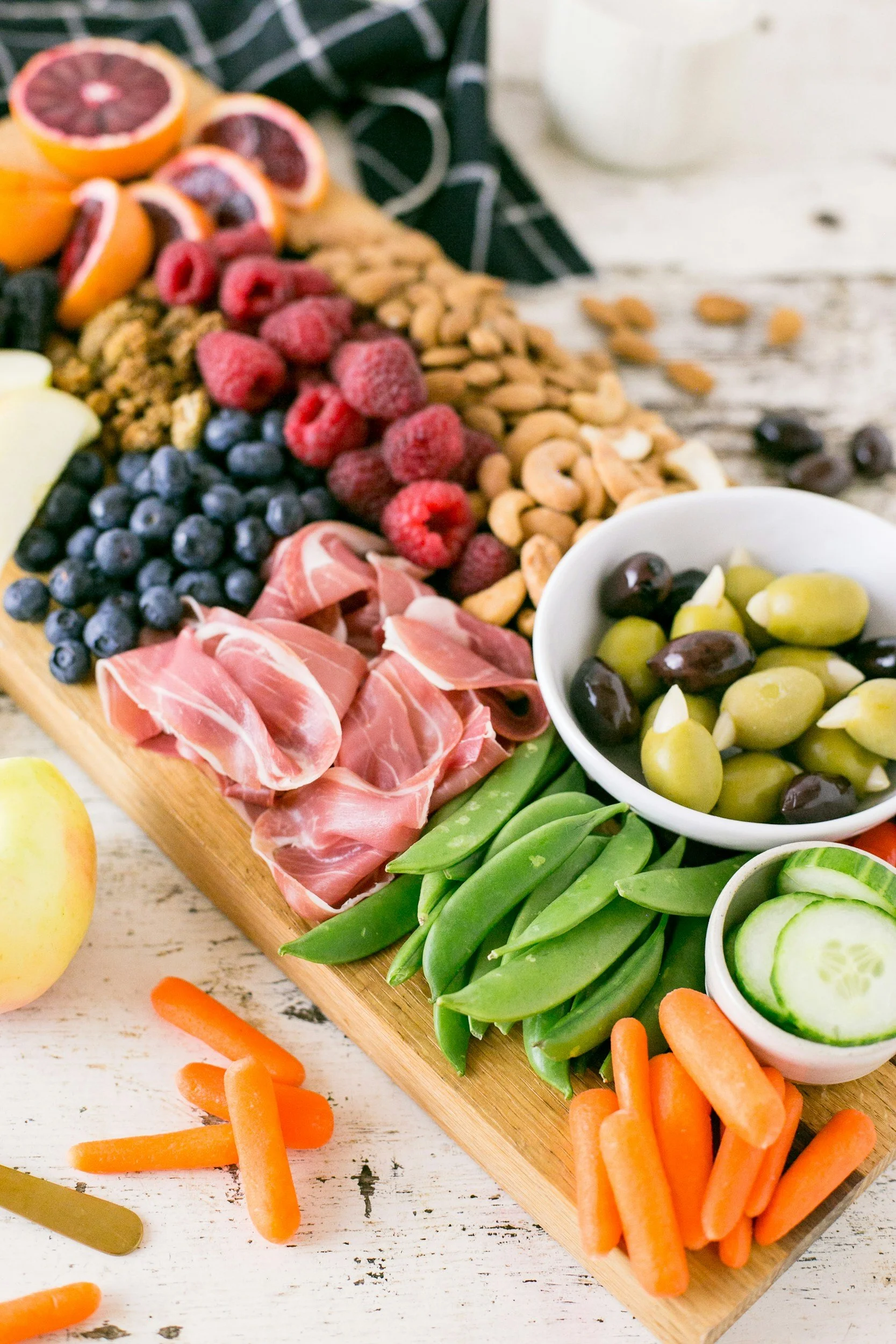
Start With Protein
If you want to change one thing about your diet after 50, start paying attention to protein.
Protein helps promote fullness and is particularly important for maintaining muscle as we age.
Try including a source of protein at every meal:
Eggs
Greek yogurt
Cottage cheese
Chicken
Turkey
Fish
Lean meat
Tofu
Beans and lentils
Protein shakes
Don't wait until dinner to eat most of your protein.
Starting the day with a protein-rich breakfast may make it easier to build balanced eating habits throughout the rest of your day.
Don't Wait Until You're Starving
One of the easiest ways to make a sugar craving feel impossible to resist is to wait until you're extremely hungry.
We've all been there.
You're running errands, lunch gets pushed back, and suddenly you're standing in front of a convenience-store display ready to eat everything in sight.
Prepare for those moments.
Keep easy options available such as:
Nuts
Hard-boiled eggs
Cheese
Turkey roll-ups
Greek yogurt
Cottage cheese
Vegetables and guacamole
Low-sugar protein snacks
You don't need a perfect meal-prep routine.
You just need a backup plan.
Fiber Is Your Friend
Fiber is another important part of a satisfying diet.
Vegetables, nuts, seeds, berries, beans, and other fiber-rich foods add volume to meals and help you feel fuller.
Try combining protein and fiber whenever possible.
For example:
Greek yogurt + berries + chia seeds
or
Turkey + avocado + vegetables
Simple combinations can be surprisingly satisfying.
Sleep Could Be Driving Your Sugar Cravings
Did you sleep poorly last night?
That could affect what sounds good to eat today.
Sleep deprivation can influence appetite regulation and make highly palatable foods more tempting. Menopause can make quality sleep harder because of hot flashes, night sweats, stress, and other symptoms.
That's why improving sleep isn't just about feeling rested.
It's part of your overall nutrition and wellness strategy.
Try maintaining a consistent bedtime, keeping your bedroom cool and limiting caffeine later in the day.
If menopause symptoms are regularly interfering with sleep, talk with your healthcare professional about treatment options.
Don't Forget About Stress
Stress and cravings often go hand in hand.
When you're stressed, food can become comfort, distraction, or simply the fastest way to get a little boost.
Before automatically reaching for something sweet, ask yourself:
Am I hungry—or am I stressed?
Sometimes you really are hungry. Eat something nourishing.
Other times you may benefit more from taking a short walk, drinking water, calling a friend, stretching, or simply stepping away from whatever is overwhelming you.
Can Ketones Help With Sugar Cravings?
This is where ketones become especially interesting.
Ketones are molecules your body can use as an energy source. Your liver naturally produces them when carbohydrate availability is low, such as during fasting or a ketogenic diet.
Exogenous ketones provide ketones from an outside source.
Some people using exogenous ketones report that they feel more satisfied or experience fewer cravings. Research into supplemental ketones, appetite, metabolic health, and long-term weight management is still developing, however.
So I don't look at ketones as a magic drink that makes cravings disappear.
I look at them as one possible tool within a much bigger wellness routine.

How I Incorporate Prüvit Ketones Into My Routine
For me, Prüvit ketones are about creating a routine that fits my lifestyle.
Instead of thinking about ketones as permission to skip nutritious meals, I think about what I'm doing throughout the entire day.
Am I getting protein?
Am I drinking enough water?
Am I moving?
Am I eating nutritious foods?
Am I sleeping?
That's the foundation.
If you're curious about exogenous ketones, you can experiment with how they fit into your routine while paying attention to how you feel.
And remember: supplements aren't a substitute for medical treatment, balanced nutrition, or healthy lifestyle habits.
Ketones Aren't the Same as Eating Keto
This is an important distinction.
Drinking exogenous ketones and following a ketogenic diet aren't the same thing.
A ketogenic diet significantly restricts carbohydrate intake so the body increases its own ketone production.
Exogenous ketones, on the other hand, raise circulating ketones from an outside source.
That means drinking ketones doesn't automatically put your body into the same metabolic state created by a sustained ketogenic diet.
Understanding this distinction can help you make more informed decisions about how ketone products fit into your goals.
Try the Protein + Ketone Strategy
If your toughest craving happens at a predictable time—maybe around 3:00 p.m.—prepare for it before it happens.
Rather than waiting until you're standing in front of the candy drawer, create a routine.
You might pair your ketone drink with a protein-rich snack such as:
A hard-boiled egg
Turkey and cheese
Greek yogurt
Cottage cheese
A protein shake
This isn't about creating a magic combination that "burns fat."
It's about intentionally replacing an old routine with one that better supports your goals.
Make Your Environment Work for You
Willpower is much easier when your environment supports you.
If cookies are sitting on the counter every time you walk through the kitchen, you're going to think about cookies.
Try putting nutritious options where you can see them.
Keep washed vegetables at eye level in the refrigerator.
Put your protein options together.
Portion nuts ahead of time.
Keep a water bottle nearby.
Make the choices you want to make convenient.
You Don't Have to Eliminate Sugar Forever
One of the fastest ways to become obsessed with a food is telling yourself you can never have it again.
Your wellness journey doesn't need to be all or nothing.
You can enjoy dessert occasionally and still have healthy habits.
The goal is to reach a point where sugar isn't controlling your decisions.
There's a big difference between choosing to enjoy a dessert and feeling like you have to eat something sweet every afternoon.
That's the freedom we're working toward.
A Simple Plan for Your Next Sugar Craving
The next time a craving hits, don't immediately assume you've failed.
Stop and check in.
Ask yourself:
When did I last eat?
Did my last meal include protein?
Am I thirsty?
Did I sleep poorly?
Am I stressed?
Am I genuinely hungry?
If you're hungry, eat.
Choose something with protein, fiber, or healthy fats and see how you feel afterward.
Over time, you'll start recognizing your patterns.
And once you understand the pattern, it's much easier to change it.
Final Thoughts: You Can Take Control of Sugar Cravings After 50
Learning how to stop sugar cravings during menopause isn't about becoming more disciplined.
It's about understanding your changing body.
Hormonal changes, sleep, stress, eating patterns, and hunger can all influence cravings after 50.
Instead of chasing perfection, build a routine that supports you.
Prioritize protein.
Eat fiber-rich foods.
Don't wait until you're starving.
Get quality sleep.
Manage stress.
Move your body.
Stay hydrated.
And consider whether tools like exogenous ketones fit into your personal wellness routine.
For me, Prüvit ketones are one part of a much bigger picture. They're not a replacement for nutritious food or healthy habits—they're something I can incorporate alongside them.
At Ketone Living, I believe feeling better after 50 starts with understanding your body and finding realistic habits you can actually maintain.
Curious about Prüvit ketones and how I use them? Contact me! I'd love to share my experience, answer your questions, and help you learn whether ketones might be a good fit for your wellness journey.