
Have you been eating better, moving your body, and trying to lose weight—only to feel like your belly isn't getting the message?
If you're a woman over 50, you've probably heard another explanation all over social media: cortisol belly.
Cortisol is often blamed for everything from stubborn belly fat and poor sleep to cravings and weight gain. While cortisol does play an important role in your body's stress response and metabolism, the relationship between cortisol and belly fat after 50 is more complicated than a viral video might make it seem.
Stress may influence your appetite, food choices, sleep, activity, and where your body stores fat. At the same time, menopause brings hormonal and body-composition changes that can make weight management feel different than it did in your 30s.
So, is stress making it harder to lose weight after 50?
It could be one piece of the puzzle.
Let's talk about what's really happening—and what you can do about it.
What Is Cortisol?
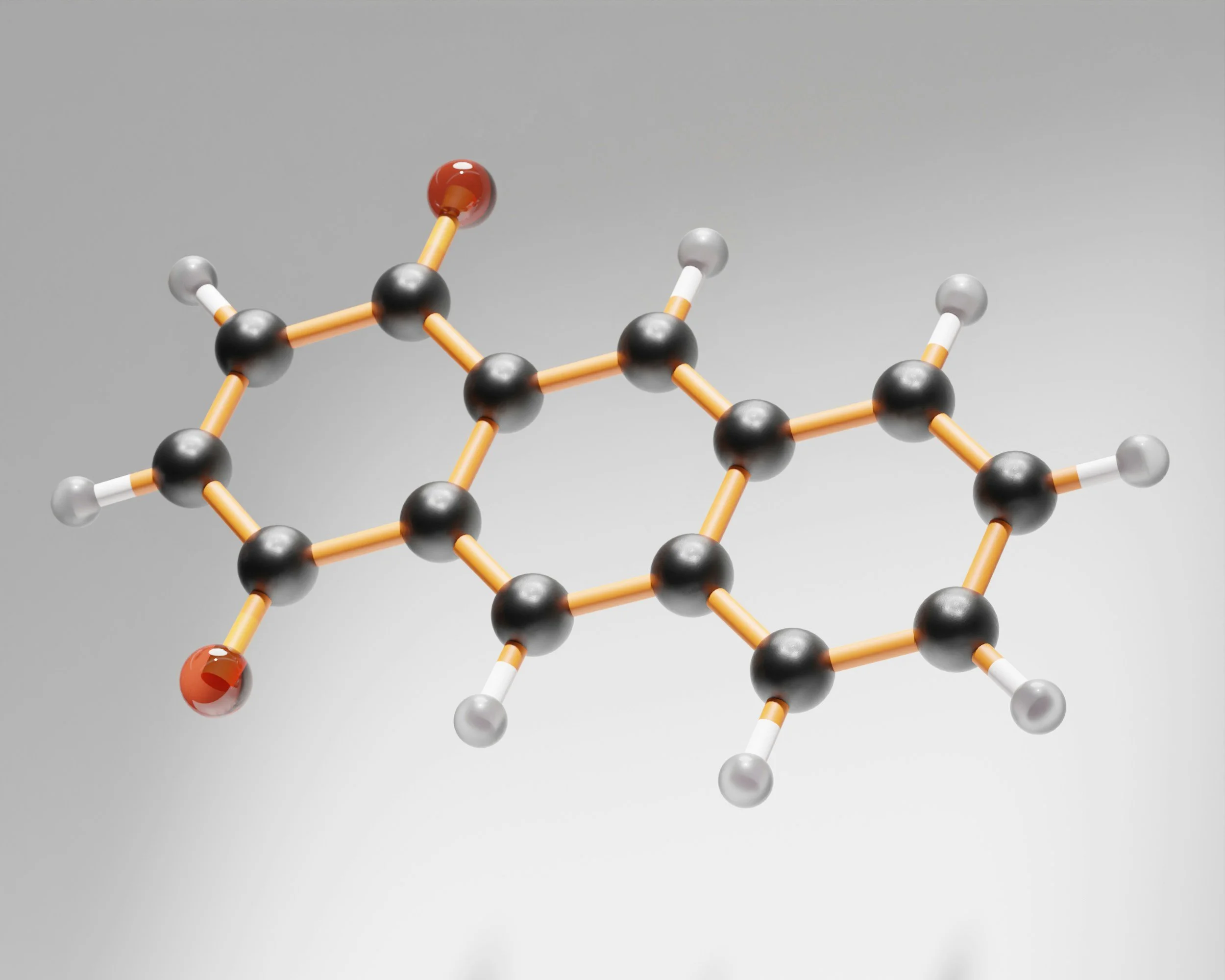
Cortisol is a hormone produced by your adrenal glands.
You've probably heard it called the stress hormone, but cortisol isn't bad. Your body needs it.
Cortisol helps regulate several important processes, including your stress response, blood pressure, metabolism, blood glucose, and sleep-wake cycle.
Normally, cortisol follows a daily rhythm. Levels are generally higher in the morning and decline throughout the day.
Cortisol also increases when your body encounters a stressful situation. That's useful when you need to respond to an immediate challenge.
The concern isn't that your body produces cortisol. Problems can occur when chronic stress repeatedly disrupts your normal routines, sleep, appetite, and overall health.
What Is "Cortisol Belly"?
Let's clear something up.
"Cortisol belly" isn't an official medical diagnosis.
It's a popular wellness term used to describe abdominal weight gain that people associate with chronic stress and elevated cortisol.
Research has found associations between chronic stress, cortisol regulation, appetite, and abdominal fat. But seeing extra weight around your middle doesn't automatically mean your cortisol is "too high."
After 50, several things may be happening at once.
Menopause can change fat distribution. Muscle mass may decrease. Sleep may become more difficult. Activity levels may change. And yes, stress can be part of that picture.
That's why there isn't one hormone—or one solution—to blame.
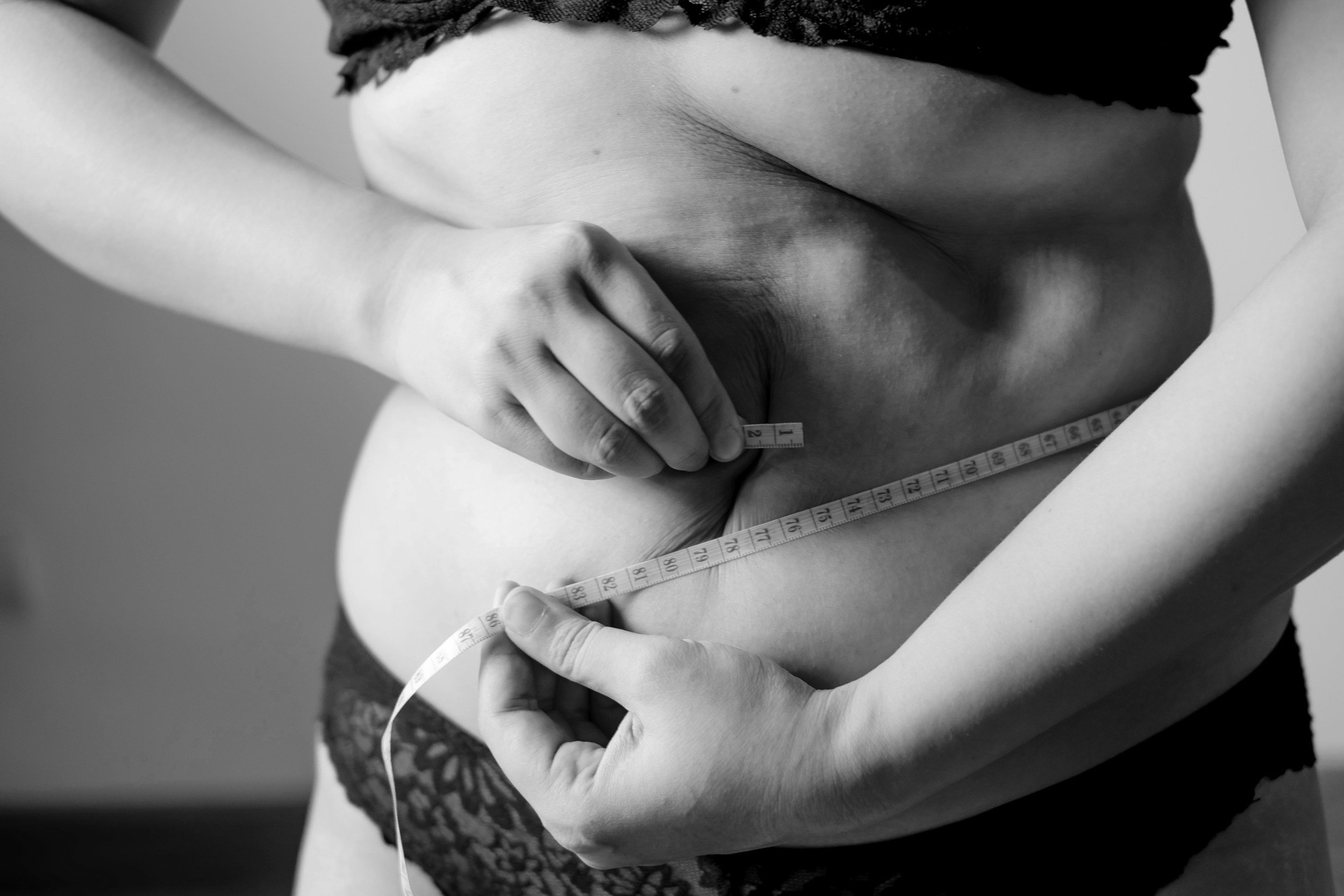
Why Belly Fat Can Increase After 50
For many women, body composition begins changing during perimenopause and menopause.
Declining estrogen is associated with changes in where the body tends to store fat, with more fat accumulating around the abdomen rather than the hips and thighs.
At the same time, aging is associated with gradual muscle loss.
Less muscle can mean lower daily energy needs, especially if you're also moving less than you did years ago.
Add poor sleep, stress, changing eating habits, and a busy schedule, and suddenly maintaining your previous weight may become much more challenging.
It isn't simply a lack of willpower.
Your body and your life are changing.
How Stress Can Affect Weight After 50
Stress doesn't automatically create belly fat overnight.
But chronic stress can make weight management harder in several ways.
When you're stressed, you may:
Crave highly palatable foods
Eat when you're not physically hungry
Sleep poorly
Feel too exhausted to exercise
Skip meals and overeat later
Reach for convenience foods
Drink more alcohol
Have less time for yourself
Over weeks and months, those patterns matter.
Instead of thinking, "Cortisol is making me fat," a more useful question may be:
"How is stress changing the way I'm sleeping, eating, and taking care of myself?"
That gives you something you can actually work with.
Menopause + Stress Can Be a Difficult Combination
Menopause doesn't exactly arrive during a quiet stage of life.
Women in their 40s and 50s may be managing careers, teenagers or adult children, aging parents, relationships, financial responsibilities, caregiving, and major life transitions.
Then menopause adds symptoms such as hot flashes, disrupted sleep, mood changes, and fatigue.
That's a lot.
When you're exhausted and stressed, preparing a protein-rich dinner and going for a walk may sound much less appealing than ordering takeout and sitting on the couch.
Give yourself some grace—but also recognize the pattern.
Small changes can begin to shift it.

Sleep May Be the Missing Piece
If you're worried about cortisol and weight loss after 50, start by looking at your sleep.
Menopause can interfere with sleep through hot flashes, night sweats, and other symptoms.
And when you don't sleep well, the next day can become more difficult.
You may feel hungrier.
You may crave sweets.
You may have less energy to exercise.
Your morning workout suddenly becomes another cup of coffee.
Instead of treating sleep as something you'll get to when everything else is finished, start thinking about it as part of your wellness routine.
Stop Undereating All Day
Here's another pattern I see often:
Coffee for breakfast.
A tiny lunch.
Maybe a snack.
Then by 6:00 p.m., you're starving.
Dinner turns into dinner plus snacks plus something sweet.
The answer isn't necessarily more restriction.
Try building meals around protein, fiber, healthy fats, and nutrient-dense foods so you're actually nourished throughout the day.
Protein is particularly important after 50 because it helps support muscle maintenance and contributes to fullness.
Think eggs, Greek yogurt, cottage cheese, chicken, fish, turkey, tofu, lean meat, or a protein shake when you're truly on the run.
Strength Training Is Your Friend After 50
If your goal is changing your body composition, don't focus exclusively on burning calories.
Focus on maintaining and building muscle.
Strength training becomes increasingly valuable as we age because muscle supports strength, mobility, bone health, and metabolic health.
You don't need to become a bodybuilder.
Start with resistance bands, dumbbells, machines, or bodyweight exercises two or more days per week, depending on your fitness level and medical needs.
Muscle is something worth protecting after 50.
Walk—Especially When You're Stressed
Walking may not look impressive on social media, but it's one of the simplest ways to support your physical and mental health.
Take a 10-minute walk after lunch.
Walk after dinner.
Walk while you're on the phone.
Meet a friend for a walk instead of sitting over coffee.
Walking adds movement to your day while giving you an opportunity to mentally decompress.
You don't have to make every workout intense for it to count.
Don't Try to "Detox" Your Cortisol
Be cautious when you see products claiming to detox cortisol, "reset your adrenal glands," or eliminate cortisol belly in a few days.
Cortisol isn't a toxin.
You need it.
Instead of trying to eliminate cortisol, focus on habits that support overall health and make chronic stress easier to manage.
That may include:
Consistent sleep
Regular exercise
Nutritious meals
Adequate protein
Time outdoors
Relaxation or meditation
Spending time with people you enjoy
Setting boundaries
Taking breaks
None of these sounds as exciting as a seven-day "cortisol reset."
But sustainable habits usually aren't flashy.

Where Do Ketones Fit In?
At Ketone Living, we're also interested in how ketones can fit into a healthy lifestyle after 50.
Ketones are molecules your body can use for energy. Your liver naturally produces ketones when carbohydrate availability is low, while exogenous ketones provide ketones from an outside source.
I incorporate Prüvit ketones into my own wellness routine because they fit my lifestyle.
But I don't view ketones as a cure for cortisol or a product that magically melts belly fat.
That's an important distinction.
Ketones should complement—not replace—the basics.
Eat your protein.
Drink your water.
Move your body.
Lift something heavy enough to challenge your muscles.
Get your sleep.
Manage stress.
Then consider which additional tools fit your individual goals and lifestyle.
Can Ketones Help When Stress Triggers Cravings?
This is another area where it's important to separate personal experience from proven medical claims.
Some people using exogenous ketones report changes in appetite, energy, or cravings. Research into supplemental ketones and their effects on appetite and long-term weight management is still evolving.
If your stress response usually sends you looking for sugar at 3:00 p.m., don't expect a supplement to solve the underlying problem.
Look at the entire routine.
Did you eat enough at lunch?
Did you get protein?
Did you sleep?
Are you actually hungry?
Could you take a short walk?
For me, ketones are one tool within that bigger picture.
What About Cortisol Supplements?
If you're concerned that you have abnormally high or low cortisol, don't try to diagnose yourself based on belly fat or a social media checklist.
True cortisol disorders require medical evaluation.
Symptoms that concern you—especially unexplained or rapid weight changes, unusual muscle weakness, significant changes in blood pressure or blood sugar, or other persistent symptoms—deserve a conversation with your healthcare provider.
Testing and treatment should be based on your individual medical history, not an online trend.
A Better Approach to Belly Fat After 50
Instead of asking, "How do I get rid of cortisol belly?", try asking:
"What habits will make me stronger and healthier over the next five years?"
That's a much more powerful question.
Start small.
Prioritize protein at breakfast.
Strength train twice this week.
Take a walk after dinner.
Put your phone away earlier tonight.
Drink your water.
Prepare tomorrow's lunch.
None of those habits will transform your body overnight.
But repeated consistently, they can transform your lifestyle.
Final Thoughts: Stress Matters, But It Isn't the Whole Story
So, does cortisol cause belly fat after 50?
The answer isn't as simple as social media makes it sound.
Stress and cortisol can influence appetite, sleep, metabolism, and behaviors that affect weight. But menopause belly fat is influenced by multiple factors, including aging, declining estrogen, muscle loss, activity, nutrition, genetics, and overall health.
You don't need to declare war on cortisol.
You need to support your body.
Eat enough protein. Build muscle. Walk. Sleep. Manage stress. Stay hydrated. Nourish yourself.
And stop expecting your body at 50 or 60 to respond exactly like it did at 25.
At Ketone Living, I believe this chapter should be about becoming stronger, healthier, and more confident—not obsessing over perfection.
For me, Prüvit ketones are one tool I incorporate into that bigger wellness picture. They're not a magic solution for belly fat, but they can be part of a routine built around nutrition, movement, hydration, sleep, and consistency.
Curious about Prüvit ketones and how I use them after 50? Contact me. I'd love to share my experience, answer your questions, and help you learn more about how ketones may fit into your own wellness journey.