
Weight Loss After 50 for Women: The Complete Guide to Hormones, Metabolism, Protein & Fat Loss
If losing weight after 50 feels different than it did in your 20s, 30s, or even 40s, there’s a reason. Your body is changing, and your approach to weight loss may need to change with it.
For many women, turning 50 coincides with perimenopause, menopause, changes in muscle mass, shifting hormones, increased stress, different sleep patterns, and changes in how the body uses energy. Strategies that once seemed to work quickly may suddenly produce fewer results.
That doesn’t mean weight loss after 50 is impossible. Instead of focusing only on eating less and exercising more, it can be helpful to look at the bigger picture: hormones, metabolism, protein, muscle, sleep, stress, blood sugar, and sustainable habits.
Here’s what women over 50 should know about losing fat while supporting strength, energy, and long-term health.
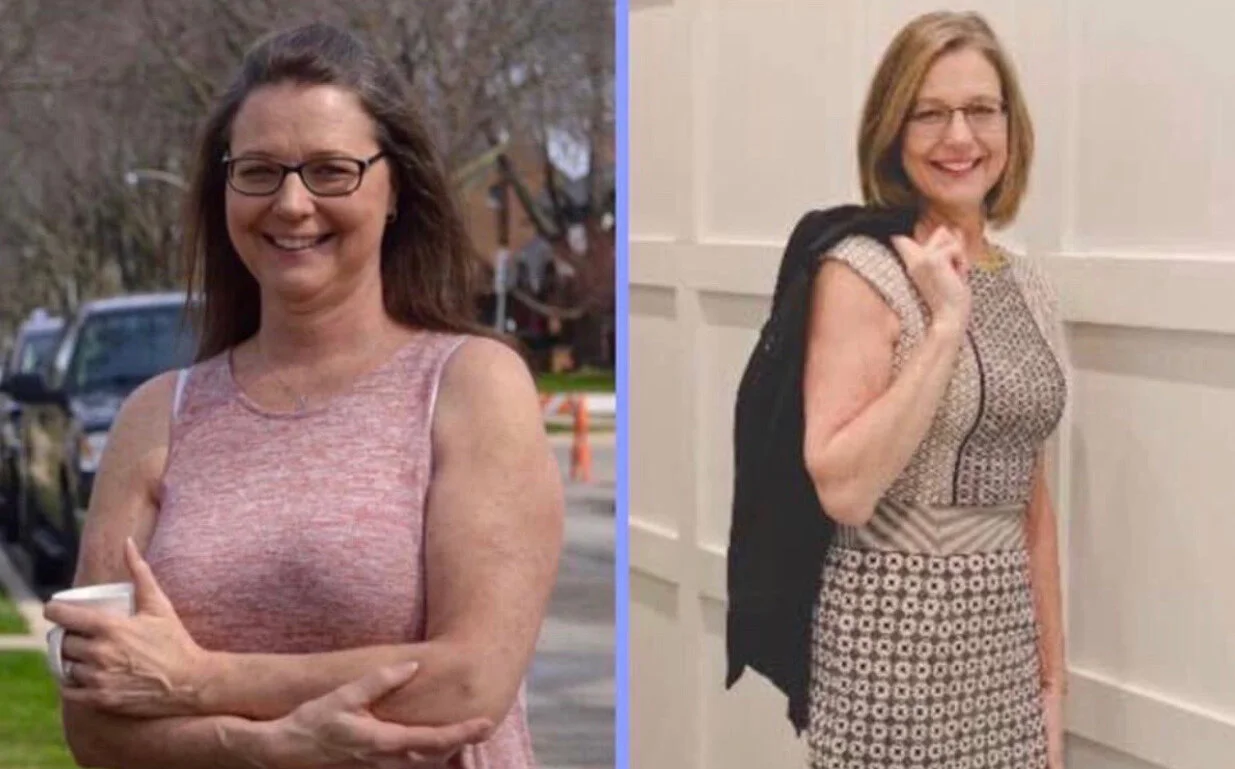
Why Is Weight Loss After 50 Harder for Women?
Weight gain after 50 isn’t caused by one single factor. Several changes can happen at the same time.
One of the biggest is a gradual loss of muscle mass as we age. Muscle is metabolically active tissue, meaning your body uses energy to maintain it. Losing muscle can contribute to changes in daily energy needs and body composition.
Menopause can add another layer.
As estrogen levels change, women may notice changes in where their bodies tend to store fat, including increased abdominal fat. Sleep disturbances, hot flashes, mood changes, and stress can also make maintaining healthy routines more challenging.
Lifestyle can change, too. You may be sitting more, sleeping less, caring for aging parents, navigating career stress, or simply moving less throughout the day than you once did.
The goal shouldn't be to fight your body. It should be to understand what has changed and build habits that support the body you have today.
Hormones and Weight Gain After 50
Hormones often get blamed for every frustrating change during menopause, but the relationship between hormones and weight is more complicated.
Estrogen levels decline during the menopause transition, while insulin, cortisol, thyroid hormones, and hunger-regulating hormones can also influence appetite, energy, blood sugar, and body composition.
This is one reason menopause belly fat can feel particularly stubborn.
Rather than searching for one food or supplement that will "balance" everything, focus on habits that support overall metabolic health.
That includes eating enough protein, consuming fiber-rich foods, managing carbohydrates based on your individual needs, staying active, strength training, getting adequate sleep, and finding realistic ways to manage stress.
If you’re experiencing unexplained or rapid weight changes, severe fatigue, or other concerning symptoms, talk with your healthcare provider to rule out medical conditions that may be contributing.
Does Your Metabolism Slow Down After 50?
Metabolism is often described as if it suddenly shuts down at menopause. It doesn’t.
However, your total daily energy needs can change with age, activity level, and muscle mass. If you lose muscle and become less active but continue eating the same way you did years ago, maintaining your previous weight may become more difficult.
That’s why protecting muscle becomes increasingly important.
Instead of drastically cutting calories, consider asking a different question:
How can I improve my body composition while maintaining muscle?
That shift can change the entire approach to weight loss after 50.
Protein Is Especially Important After 50
Protein deserves a starring role in a healthy eating plan for women over 50.
Protein provides amino acids your body needs to maintain and repair muscle. It can also help meals feel more satisfying, which may make it easier to manage hunger.
Instead of saving most of your protein for dinner, try including a meaningful source at each meal.
Protein-rich options include:
Eggs
Greek yogurt
Cottage cheese
Chicken and turkey
Fish and seafood
Lean beef
Tofu and tempeh
Beans and lentils
Protein shakes
Individual protein needs vary based on body size, activity, health conditions, and goals. If you're unsure how much protein is appropriate for you, a registered dietitian or healthcare professional can help you determine a personalized target.
Strength Training Can Change the Conversation
Cardio has benefits, but women over 50 shouldn't overlook resistance training.
Strength training helps preserve and build muscle, supports bone health, and can improve strength and physical function.
And you don't have to become a bodybuilder.
Bodyweight exercises, resistance bands, dumbbells, weight machines, and functional movements can all count.
The key is consistency and gradually challenging your muscles over time.
If you're new to strength training or have an injury or medical condition, consider working with a qualified professional to learn proper technique and determine what’s appropriate for you.

Don't Underestimate Walking
Sometimes the simplest habits are the easiest to overlook.
Walking increases daily movement without requiring complicated equipment or an expensive gym membership. A walk after a meal can also be an easy way to build more activity into your routine.
Instead of becoming obsessed with reaching a specific step number, start with your current activity level and work upward.
A ten-minute walk still counts.
So does taking the stairs, gardening, walking the dog, cleaning the house, or parking farther away.
All of that movement adds up.
What About Carbohydrates and Insulin?
Insulin resistance becomes increasingly relevant as we age, particularly for people who are overweight or have other metabolic risk factors.
Carbohydrates aren't automatically bad, but the type and quantity can matter.
Highly refined carbohydrates and foods with large amounts of added sugar may be easy to overconsume and may cause bigger blood glucose swings than meals centered around protein, vegetables, fiber, and minimally processed foods.
Some women find that a lower-carbohydrate or ketogenic approach helps them manage hunger and maintain a calorie deficit. Others feel better with a moderate amount of carbohydrates.
There isn't one perfect approach for every woman.
The best nutrition strategy is one that supports your health, provides adequate nutrition, and is sustainable enough to follow consistently.
Can Keto Help Women Lose Weight After 50?
A ketogenic or low-carbohydrate lifestyle can be one option for weight management.
Keto typically limits carbohydrates enough for the body to increase production of ketones and rely more heavily on fat as a fuel source.
However, simply being in ketosis doesn't guarantee fat loss.
Calories, food quality, protein intake, activity, sleep, and consistency still matter.
If you're following keto after 50, don't let your diet become nothing but cheese, butter, bacon, and "keto" packaged foods.
Build meals around quality protein, healthy fats, low-carbohydrate vegetables, and nutrient-dense whole foods.
Sleep May Be the Missing Piece
You can have a carefully planned diet and workout routine, but poor sleep can make everything harder.
Menopause itself can interfere with sleep through hot flashes, night sweats, and changes in sleep quality.
When you're exhausted, exercising may feel harder and highly palatable foods may become more tempting. Fatigue can also reduce the amount of spontaneous movement you get throughout the day.
Try creating a consistent sleep routine, keeping your bedroom cool and dark, limiting late-night screen time, and paying attention to caffeine and alcohol.
Persistent sleep problems are worth discussing with your healthcare provider.
Stress and Cortisol Matter, Too
Stress doesn't magically create body fat, but chronic stress can influence sleep, appetite, food choices, and daily habits.
If your response to a stressful day is skipping your workout, sleeping five hours, and reaching for comfort food, stress becomes part of the weight-loss equation.
Stress management doesn't have to mean an hour of meditation.
It might be walking outside, reading, strength training, journaling, gardening, creating art, spending time with friends, or simply giving yourself a few quiet minutes without your phone.
Find something you can realistically repeat.
How to Lose Weight After 50 Without Extreme Dieting
Successful weight loss after 50 doesn't require punishing workouts or eating as little as possible.
Start with the fundamentals.
Prioritize protein at meals. Eat plenty of nutrient-dense foods. Include fiber. Strength train regularly. Move throughout the day. Pay attention to sleep. Reduce highly processed foods that are easy to overeat. Stay hydrated. Manage stress where you can.
Then give your body time.
Healthy progress isn't always reflected immediately on the scale. Your waist measurement, strength, energy, blood sugar, clothing fit, and ability to maintain new habits can provide valuable information, too.
Your Body Has Changed—Your Strategy Can Change With It
Weight loss after 50 for women isn't about trying to recreate the body you had at 25.
It's about supporting the body you're living in now.
Hormonal changes, menopause, muscle loss, sleep, stress, metabolism, and nutrition can all influence your progress. Understanding those factors allows you to move away from quick fixes and toward a more sustainable strategy.
Eat enough protein. Protect your muscle. Keep moving. Prioritize sleep. Choose foods that help you feel satisfied and energized. And focus on habits you can maintain beyond the next 30 days.
Because the goal isn't simply losing weight.
It's building a stronger, healthier lifestyle that can carry you through your 50s, and well beyond.