

Have you ever looked at your plate and thought, I'm eating healthy, so why am I still gaining weight?
You're choosing nutritious foods, watching your portions, drinking water, and maybe even exercising more than you used to. Yet the scale keeps creeping up, especially around your middle.
If you're a woman over 50, this experience may sound familiar.
Here's something important to understand: Your body is changing, and the strategies that worked in your 30s and 40s may need adjusting.
Hormonal changes during perimenopause and menopause can affect where your body stores fat. Aging, muscle loss, sleep disturbances, and lifestyle changes can also influence your weight.
At Ketone Living, I believe understanding these changes is the first step toward creating healthier habits that actually work for this stage of life.
Let's talk about why weight gain after 50 happens, even when you're eating healthy, and what you can do about it.
Why Does Weight Gain After 50 Happen?
One of the biggest misconceptions about menopause weight gain is that it's entirely caused by hormones.
Hormones certainly play a role, but they're only part of the picture.
As we age, several things may happen simultaneously:
Estrogen levels decline during menopause.
Muscle mass gradually decreases.
Daily activity levels may change.
Sleep becomes more difficult.
Stress and lifestyle responsibilities can affect eating habits.
Energy needs may decrease.
Together, these changes can make maintaining your previous weight more challenging.
That doesn't mean weight gain is inevitable. It means your body may need a different approach.
1. Estrogen Changes Where Your Body Stores Fat
During perimenopause and menopause, estrogen levels fluctuate and eventually decline.
Estrogen influences several processes in the body, including fat distribution.
Before menopause, women are more likely to store fat around their hips and thighs. After menopause, fat storage often shifts toward the abdominal area.
This is one reason you might notice your waistline changing even when your overall weight hasn't changed dramatically.
Abdominal fat includes visceral fat, which surrounds internal organs. Higher amounts of visceral fat are associated with increased cardiometabolic health risks.
The good news?
Regular physical activity, strength training, nutritious eating, and sufficient sleep can support your overall health and body composition.
You can't choose exactly where your body loses fat, but you can build habits that support healthier weight management.
2. You're Losing Muscle Without Realizing It
Here's something I wish more women talked about after 50.
Muscle matters. A lot.
As we age, we naturally become more vulnerable to losing muscle mass and strength, especially if we're not doing resistance exercise.
Muscle tissue uses energy even when you're resting. Losing muscle can contribute to a reduction in daily energy needs, although the amount varies from person to person.
This means you may be eating the same amount you ate years ago while your body now requires somewhat less energy.
And if you're focused only on losing pounds, you may overlook the importance of maintaining muscle.
That's why I encourage women over 50 to shift their focus from simply becoming smaller to becoming stronger.
What can help?
Start incorporating resistance training into your weekly routine.
That could mean lifting dumbbells, using resistance bands, trying bodyweight exercises, or working with a qualified trainer.
You don't need to become a bodybuilder.
You just need to challenge your muscles consistently.
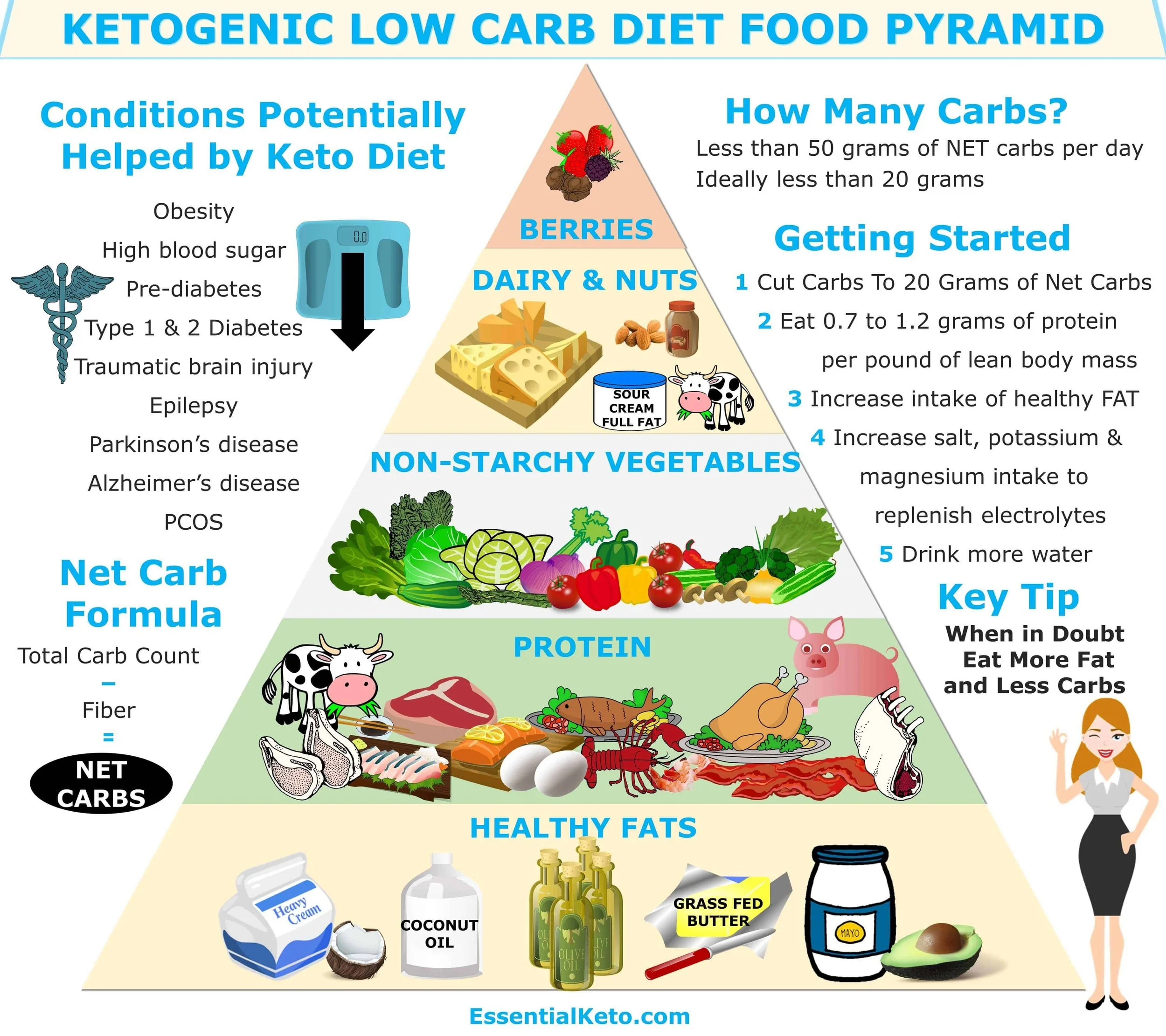
3. You May Not Be Eating Enough Protein
We talk about protein all the time at Ketone Living, and there's a reason.
Protein helps maintain and repair muscle tissue. It also contributes to feelings of fullness, making it an important part of a satisfying eating pattern.
Many women eat a carbohydrate-heavy breakfast, a small lunch, and most of their protein at dinner.
Instead, try including protein throughout your day.
Some of my favorite options include:
Eggs
Greek yogurt
Cottage cheese
Chicken or turkey
Salmon
Lean beef
Tofu
Protein shakes
Beans and lentils
A practical place to start is including a protein source at breakfast, lunch, and dinner.
Your ideal daily protein intake depends on your body size, activity level, health conditions, and goals. A registered dietitian can help you determine the right amount.

4. Healthy Foods Still Have Portions
I love avocado, nuts, olive oil, and other nutrient-dense foods.
But here's something we don't always talk about:
Healthy foods still provide calories.
You can absolutely eat nutritious foods and still consume more energy than your body needs over time.
For example, nuts and nut butters are wonderful sources of nutrients, but they're also energy-dense.
The solution isn't to stop eating healthy fats.
It's to pay attention to portions while building balanced meals.
Try including protein, vegetables, fiber-rich carbohydrates, and healthy fats in amounts that leave you comfortably satisfied.
You don't need to obsessively track every bite. Sometimes simply becoming more aware of portions and eating patterns can help.
5. Menopause Can Affect Your Sleep
Have you noticed that sleeping through the night isn't as easy as it used to be?
Hot flashes, night sweats, stress, and other menopause-related symptoms can interfere with sleep.
Poor sleep can influence hunger, appetite, food choices, and energy levels.
And when you're exhausted, getting up for a morning workout or preparing a nutritious meal can feel much harder.
Try creating a consistent evening routine.
Keep your bedroom cool, reduce late-night screen time, and aim for regular sleep and wake times.
If hot flashes, snoring, or persistent insomnia are affecting your rest, talk with your healthcare provider about treatment options.
Sleep isn't a luxury.
It's part of your wellness routine.
6. Stress Can Influence Your Eating Habits
Let's talk about cortisol.
Cortisol is a hormone that helps your body respond to stress. It's essential for normal functioning, and it naturally changes throughout the day.
But ongoing stress can affect sleep, appetite, food choices, and physical activity.
For many women over 50, life is busy.
We're balancing careers, families, aging parents, relationships, and personal responsibilities.
Sometimes our own wellness ends up at the bottom of the list.
Instead of searching for a supplement that promises to eliminate cortisol, focus on practical stress-management habits.
Go for a walk.
Spend time outdoors.
Practice breathing exercises.
Set boundaries.
Prioritize rest.
And remember that exercise doesn't always need to be intense to be beneficial.
7. Blood Sugar and Insulin Sensitivity Matter
Another important piece of weight management after 50 is metabolic health.
Insulin helps move glucose from your bloodstream into your cells, where it can be used or stored for energy.
Changes in body composition, physical activity, sleep, and hormonal status can influence insulin sensitivity.
Insulin resistance becomes more common with age and is associated with an increased risk of type 2 diabetes.
That doesn't mean every woman who gains weight during menopause has insulin resistance.
But supporting healthy blood sugar is a worthwhile goal.
Start with the basics:
Include protein and fiber in meals.
Choose nutritious, minimally processed foods more often.
Stay physically active.
Build and maintain muscle.
Get adequate sleep.
Discuss appropriate blood sugar screening with your healthcare provider.
You don't necessarily need to eliminate carbohydrates.
Instead, focus on carbohydrate quality, portions, and how your meals fit into your overall nutrition needs.
8. You're Not Getting Enough Fiber
Protein gets a lot of attention, but fiber deserves just as much consideration.
Fiber helps support digestive health, fullness, healthy cholesterol levels, and blood sugar management.
For women ages 51 and older, the recommended dietary intake is approximately 22 grams of fiber daily, although individual needs can vary.
Some easy fiber-rich foods include avocado, berries, chia seeds, flaxseed, broccoli, Brussels sprouts, beans, and leafy greens.
I like to ask myself two simple questions when planning meals:
Where's my protein?
Where's my fiber?
It's an easy way to make meals more nourishing.
If you want to learn more, read my Ketone Living article: Fiber After 50: How Much Do Women Really Need?
9. Your Daily Movement May Have Changed
You might exercise three times a week and still spend most of your day sitting.
That matters.
Daily movement outside formal exercise contributes to your overall energy expenditure and supports metabolic health.
Walking, gardening, cleaning, taking the stairs, and moving around throughout the day all count.
Try taking a short walk after meals.
Stand up regularly if you work at a desk.
Find activities you enjoy enough to continue.
The goal isn't to burn off everything you eat.
It's to make movement a normal part of your lifestyle.
10. Sometimes There's Another Medical Reason
Although menopause and aging can contribute to weight changes, they shouldn't automatically be blamed for every unexplained pound.
Thyroid disorders, certain medications, sleep apnea, fluid retention, and other medical conditions can affect weight.
If you're experiencing rapid or unexplained weight gain, significant fatigue, swelling, or other new symptoms, speak with your healthcare provider.
Sometimes the right next step isn't another diet.
It's getting answers.
Can Ketones Fit Into a Healthy Lifestyle After 50?
At Ketone Living, I'm passionate about helping women understand the habits that support long-term wellness.
I'm also interested in exogenous ketones, including Prüvit ketones, and how they can fit into an individual wellness routine.
But I want to be clear about something.
Ketones aren't a magic solution for menopause weight gain.
Drinking exogenous ketones can temporarily raise blood ketone levels, but that doesn't mean the body is automatically burning more stored fat or that weight loss will follow.
Research into supplemental ketones and long-term weight management is still developing.
For me, Prüvit is an optional part of the Ketone Living lifestyle—not a replacement for protein, fiber, movement, strength training, or medical care.
If you're interested in trying ketone products, especially if you have diabetes, kidney disease, or take medications, discuss them with your healthcare professional first.
What I Recommend Instead of Another Restrictive Diet
If you're gaining weight after 50 despite eating healthy, resist the urge to immediately cut more calories or eliminate entire food groups.
Instead, take a closer look at your daily habits.
Are you eating enough protein?
Are you strength training?
Are you getting enough fiber?
Are you sleeping well?
Are you moving throughout the day?
Are your portions appropriate for your current needs?
Are you managing stress?
These questions can reveal opportunities to make meaningful changes without following another extreme diet.
And remember, progress isn't always measured by the scale.
Improved strength, better endurance, healthier blood pressure, improved blood sugar, and feeling more comfortable in your body are meaningful accomplishments too.
Final Thoughts: Your Body Is Changing, Not Working Against You
If you've been asking, "Why am I gaining weight after 50 even though I eat healthy?", I hope this gives you a better understanding of what's happening.
Menopause can change fat distribution.
Aging can affect muscle mass and energy needs.
Sleep, stress, physical activity, nutrition, and medical conditions can all play a role.
But none of this means you should give up on your health.
It means your approach may need to evolve.
At Ketone Living, I believe healthy aging is about much more than reaching a certain number on the scale.
It's about maintaining muscle, nourishing your body, building strength, enjoying movement, and creating habits that work for your real life.
You don't have to eat perfectly.
You don't have to exercise endlessly.
And you certainly don't have to spend the rest of your life chasing another quick fix.
Prioritize your protein. Eat your fiber. Build your muscle. Move your body. Protect your sleep. And give yourself some grace.
If you're curious about my Ketone Living lifestyle or how I incorporate Prüvit ketones into my personal routine, I'd love to connect and share more.
Because life after 50 isn't about fighting your body.
It's about learning how to take care of it in a whole new way.
Disclaimer: This article is for general educational purposes and is not a substitute for personalized medical advice. Weight changes can have multiple causes. Discuss persistent or unexplained weight gain, dietary changes, and supplements with a qualified healthcare professional.