
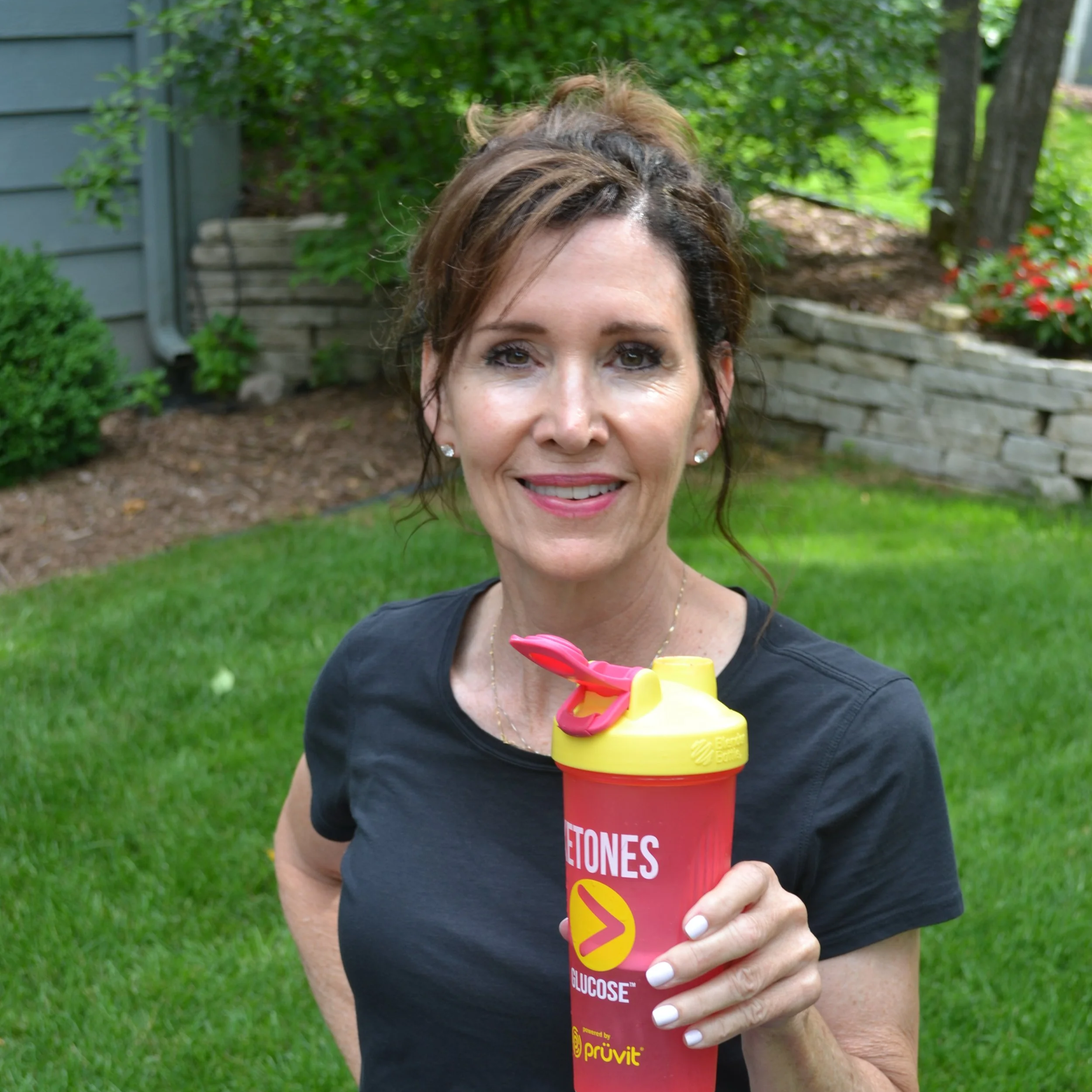
Why does belly fat seem to appear out of nowhere during menopause—even when you haven't changed the way you eat?
It's one of the questions I hear most often from women over 50.
Maybe your jeans fit differently. Maybe the scale hasn't changed much, but your waistline has. Or maybe you're eating healthier than ever, yet losing weight feels more challenging than it did ten years ago.
Sound familiar?
Here's what I've learned: Menopause, insulin resistance, and belly fat can be connected, but it's not as simple as blaming everything on hormones.
As estrogen levels change, our bodies can experience shifts in fat distribution, muscle mass, and metabolic health. Add changes in sleep, stress, physical activity, and insulin sensitivity, and it's easier to understand why maintaining a healthy weight after 50 can feel different.
At Ketone Living, I believe understanding what's happening inside our bodies helps us make smarter, more sustainable choices.
Let's break down the connection between menopause, insulin resistance, and belly fat—and what we can do to support our metabolic health.
What Happens to Your Hormones During Menopause?
Menopause marks the end of menstrual periods, typically occurring between ages 45 and 55.
During perimenopause, estrogen and progesterone levels fluctuate. Eventually, estrogen levels decline as menopause occurs.
Estrogen does more than regulate our reproductive system. It also influences fat distribution, bone health, and aspects of metabolism.
Before menopause, women tend to store more body fat around their hips and thighs.
After menopause, fat distribution often shifts toward the abdominal area.
This means you may notice changes in your waistline even if your overall body weight hasn't increased dramatically.
But estrogen isn't the only factor.
Aging, changes in physical activity, sleep quality, and muscle mass can also affect body composition.
That's why understanding menopause weight gain requires looking at the bigger picture.
What Is Insulin Resistance?
Before we talk about belly fat, let's understand insulin.
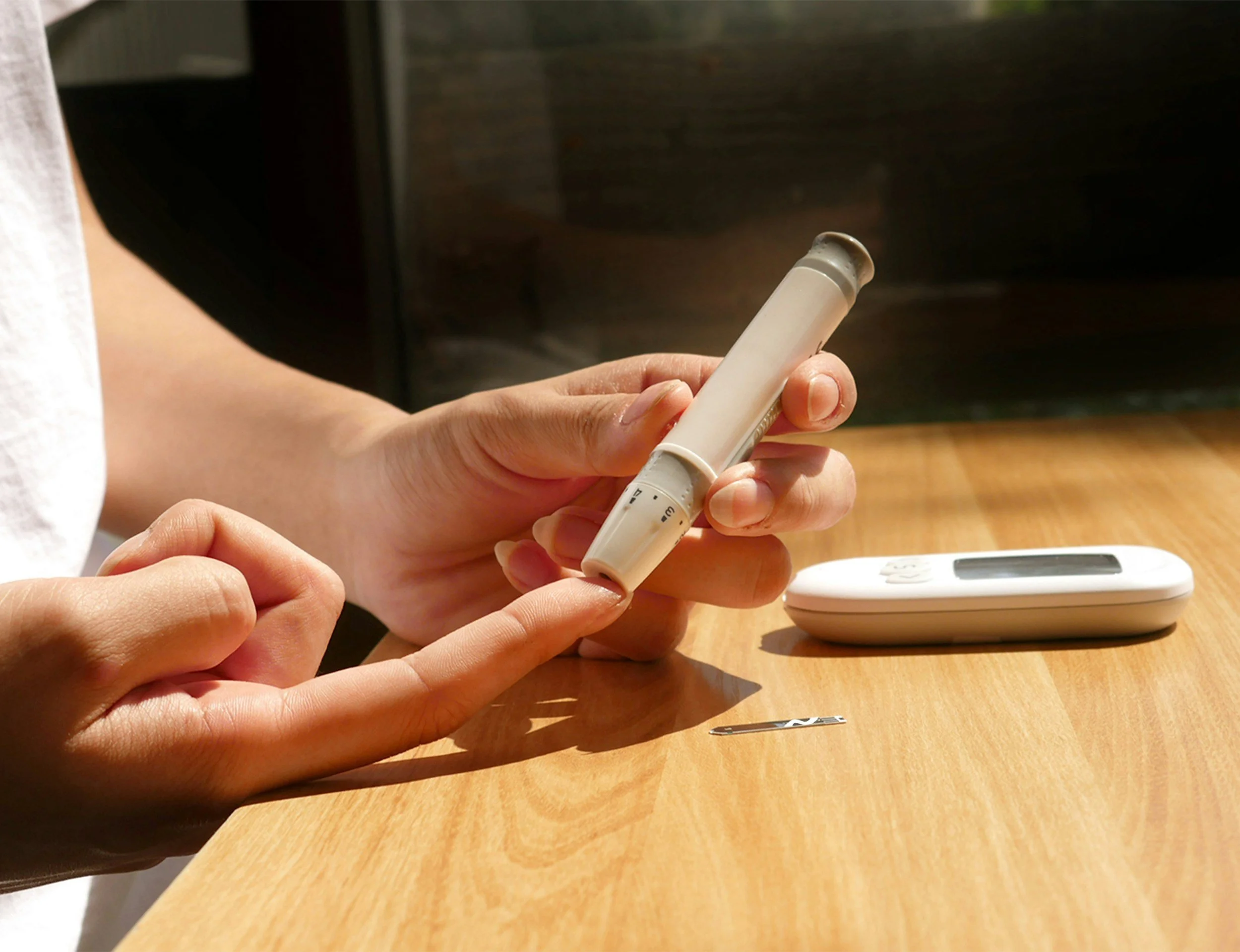
Insulin is a hormone produced by your pancreas. Its primary job is to help glucose, or blood sugar, move from your bloodstream into your cells, where it can be used for energy.
Think of insulin as a key that helps your cells access fuel.
When your body becomes less responsive to insulin, it's called insulin resistance.
Your pancreas may initially compensate by producing more insulin to help keep blood sugar within a normal range.
Over time, if your body cannot maintain normal blood sugar levels, insulin resistance can contribute to prediabetes or type 2 diabetes.
The important thing to understand is that insulin resistance doesn't always cause obvious symptoms.
You can feel relatively healthy and still have changes in your metabolic health.
That's one reason routine medical screenings become increasingly important as we age.
Learn more from the American Diabetes Association.
How Are Menopause and Insulin Resistance Connected?
Here's where things get interesting.
Estrogen influences how the body regulates energy and distributes fat. The hormonal changes of menopause may contribute to changes in insulin sensitivity, although aging and lifestyle factors also play important roles.
At the same time, many women experience changes in muscle mass and abdominal fat.
Muscle is especially important because it helps the body use glucose.
When we have less muscle or become less physically active, our ability to manage blood sugar can be affected.
Sleep disturbances, which are common during menopause, may also influence insulin sensitivity.
So while menopause doesn't automatically cause insulin resistance, the changes happening during this stage of life can create conditions that make metabolic health worth paying closer attention to.
The good news? There are practical steps we can take to support healthy blood sugar and maintain muscle as we age.
Why Does Belly Fat Increase During Menopause?
Let's talk about the belly.
Not all abdominal fat is the same.
There are two main types worth understanding.
Subcutaneous fat
This is the fat located just beneath your skin. It's the type you can generally pinch.
Visceral fat
This fat is stored deeper inside the abdomen, around internal organs.
Higher levels of visceral fat are associated with increased risks of insulin resistance, cardiovascular disease, and type 2 diabetes.
During menopause, changes in estrogen can influence where fat is stored, often favoring the abdominal region.
That doesn't mean every woman will gain belly fat, but the shift is common.
And here's something important:
You can't choose where your body loses fat.
Doing hundreds of crunches won't specifically eliminate visceral fat.
Instead, improving overall body composition and metabolic health through nutrition, strength training, physical activity, and sleep is a more effective approach.
Can Belly Fat Make Insulin Resistance Worse?
Yes, there can be a two-way relationship.
Excess visceral fat is associated with inflammation and metabolic changes that can contribute to reduced insulin sensitivity.
Insulin resistance, in turn, is often associated with other metabolic risk factors and can make weight management more complicated.
However, having belly fat doesn't automatically mean you have insulin resistance.
Likewise, you can have insulin resistance without appearing overweight.
The only reliable way to understand your blood sugar status is through appropriate medical evaluation.
Your healthcare provider may recommend tests such as fasting glucose or an A1C test, depending on your health history and risk factors.
7 Healthy Habits That Support Metabolic Health After 50
Now for my favorite part: what we can actually do.
I don't believe the answer is another extreme diet or a supplement that promises to fix our hormones.
Instead, I focus on habits that support our bodies as they change.
1. Prioritize Protein at Every Meal
If you've been following Ketone Living, you know how much I talk about protein.
There's a reason!
Protein helps maintain and repair muscle tissue, and muscle plays an important role in glucose metabolism.
Try including a quality protein source with breakfast, lunch, and dinner.
Some easy options include eggs, Greek yogurt, cottage cheese, chicken, fish, turkey, tofu, and beans.
Rather than focusing only on eating less, think about eating enough of the nutrients your body needs.
2. Don't Forget Your Fiber
Protein gets plenty of attention, but fiber is just as important.
Fiber-rich foods can support digestion, fullness, cholesterol management, and healthier blood sugar responses.
For women over 50, a general daily fiber target is approximately 22 grams.
My favorite fiber-rich foods include avocado, chia seeds, flaxseed, berries, broccoli, cauliflower, leafy greens, and legumes.
If you're following a lower-carb lifestyle, there are still plenty of ways to include fiber.
Read my blog: Fiber After 50: How Much Do Women Really Need?.
3. Start Strength Training
Here's something I wish more women understood:
Muscle is one of our greatest assets as we age.
Resistance training helps preserve muscle, improve strength, and support the body's ability to use glucose.
You don't need to lift heavy weights immediately.
Start with resistance bands, light dumbbells, bodyweight exercises, or a beginner strength-training class.
The goal is to build consistency and gradually challenge your muscles.
4. Walk More Throughout the Day
Walking is one of the simplest ways to support metabolic health.
A short walk after a meal can help your body manage the rise in blood sugar that follows eating.
Try walking after dinner, taking movement breaks during work, or inviting a friend to join you.
You don't need a complicated workout plan to begin moving more.
5. Protect Your Sleep
Menopause and sleep problems often go hand in hand.
Hot flashes, night sweats, and other symptoms can make it difficult to get restful sleep.
Poor sleep can affect appetite, energy, and insulin sensitivity.
Try keeping a consistent bedtime, creating a cool sleeping environment, and developing a relaxing evening routine.
If menopause symptoms are regularly disrupting your sleep, talk with your healthcare provider about treatment options.
6. Manage Stress Without Chasing Cortisol Fixes
Stress is part of life, especially when we're balancing careers, families, relationships, and everything else.
Chronic stress can influence sleep, eating patterns, and physical activity.
But cortisol itself isn't bad. It's an essential hormone.
Instead of looking for a quick cortisol detox, focus on habits that help you manage everyday stress.
Take a walk.
Spend time outside.
Practice deep breathing.
Make time for activities you enjoy.
Sometimes the most effective wellness habits are also the simplest.
7. Pay Attention to Your Overall Eating Pattern
You don't necessarily have to eliminate carbohydrates to support metabolic health.
What matters is the quality and quantity of the foods you're eating.
Focus on nutritious meals that include protein, vegetables, fiber-rich foods, and healthy fats.
If you enjoy a keto or lower-carb lifestyle, make sure you're still getting adequate nutrients and fiber.
The best eating pattern is one that supports your health needs and that you can realistically maintain.
What About Ketones and Metabolic Health?
At Ketone Living, I'm naturally interested in ketones and how they fit into a wellness-focused lifestyle.
But it's important to understand the difference between nutritional ketosis and exogenous ketones.
Nutritional ketosis occurs when your body produces more ketones, typically in response to significantly reduced carbohydrate availability.
Exogenous ketones, such as products offered by Prüvit, provide ketones from an outside source.
Drinking exogenous ketones can temporarily increase blood ketone levels, but that doesn't automatically mean you're burning more body fat or reversing insulin resistance.
Research into supplemental ketones and long-term metabolic outcomes is still developing.
For me, Prüvit ketones are an optional part of my personal wellness routine—not a replacement for nutritious food, movement, strength training, or appropriate medical treatment.
If you have diabetes or take blood-sugar-lowering medications, discuss significant dietary changes and ketone supplements with your healthcare professional.
How Do You Know If You Have Insulin Resistance?
One question I hear is whether certain symptoms can tell you if you're insulin resistant.
The challenge is that insulin resistance often has no clear symptoms.
Some people may have related conditions such as elevated blood sugar, high blood pressure, abnormal cholesterol levels, or increased abdominal fat.
But these aren't enough to diagnose insulin resistance.
Talk with your healthcare provider about whether screening for prediabetes or type 2 diabetes is appropriate.
You can also learn more about prediabetes and prevention from the CDC.
The Bigger Picture: Healthy Aging Is About More Than Belly Fat
One thing I want to emphasize is that your health cannot be measured by your waistline alone.
Blood pressure matters.
Blood sugar matters.
Cholesterol matters.
Muscle strength matters.
Bone health matters.
Sleep matters.
And how you feel in your everyday life matters.
Instead of making your only goal losing belly fat, think about supporting your overall metabolic health.
Build muscle.
Nourish your body.
Move consistently.
Protect your sleep.
And stay connected with your healthcare team.
Those habits can make a meaningful difference regardless of what the scale says.
Final Thoughts: Understanding Your Body After Menopause
So, what's the connection between menopause, insulin resistance, and belly fat?
Hormonal changes during menopause can influence where your body stores fat. Aging and muscle loss can affect how your body uses energy and glucose. Increased visceral fat is associated with insulin resistance and other metabolic health risks.
But none of this means weight gain or poor metabolic health is inevitable after 50.
At Ketone Living, I believe this stage of life is an opportunity to become more intentional about how we care for ourselves.
I'm not interested in chasing another quick fix.
I'm interested in building habits that last.
Prioritize your protein. Eat your fiber. Build your muscle. Walk more. Sleep well. And pay attention to your metabolic health.
If you're curious about my Ketone Living lifestyle or how I incorporate Prüvit ketones into my personal routine, I'd love to connect and share what I've learned.
Because after 50, it's not just about losing weight.
It's about feeling stronger, healthier, and more confident in the body you have today.
Disclaimer: This article is for educational purposes and does not replace personalized medical advice. Menopause, insulin resistance, and changes in body composition can have multiple causes. Consult a qualified healthcare professional about symptoms, screening, treatment, dietary changes, and supplements.